Does the Monsoon Affect Your Vascular Health? What To Know During the Rainy Season
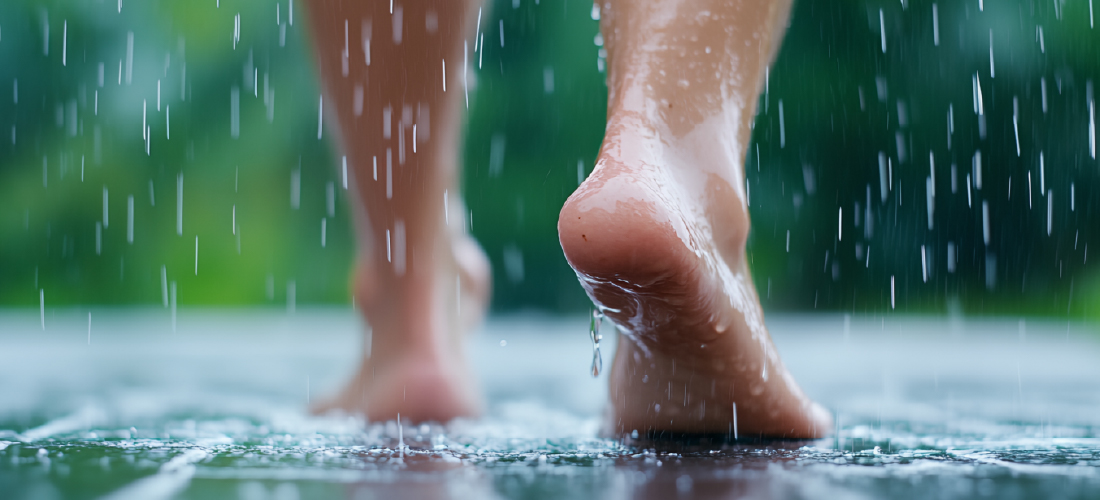
Across India, the monsoon months of June through September will bring a welcome relief from the summer heat. But for those living with varicose veins, peripheral artery disease (PAD), diabetes, or chronic leg swelling, the rainy season can present a different set of challenges by complicating otherwise manageable conditions.
While rainfall itself does not harm the vascular system, the environmental conditions that accompany the monsoon can influence vascular health. High humidity, waterlogged surroundings, prolonged exposure to moisture, reduced physical activity, and a higher incidence of skin infections may worsen symptoms in people with pre-existing vascular conditions. Given the high prevalence of diabetes and venous disorders in India, these seasonal factors warrant particular attention.
Understanding these seasonal patterns can help patients protect their vascular health through the months of July, August, and September.
Why the Monsoon Can Affect Vascular Health
The connection between monsoon weather and vascular symptoms is largely indirect. Several environmental and behavioural factors combine during this season:
- Higher humidity, which can cause blood vessels near the skin's surface to dilate
- Warm, damp conditions that create a favorable environment for fungal and bacterial growth
- Reduced mobility, as people spend more time indoors and walk less
- Wet footwear, which softens skin and increases friction and injury risk
- Increased infection risk, particularly in skin folds and between the toes
- Greater difficulty caring for wounds, since dressings and bandages are harder to keep dry
None of these factors cause vascular disease on their own. Rather, they tend to amplify symptoms in people who already have an underlying vascular condition.
Varicose Veins
Warm, humid air causes surface blood vessels to dilate, which can increase blood pooling in the legs. For people with varicose veins or venous insufficiency, this may translate into:
- A sensation of heaviness in the legs
- Aching, particularly by the end of the day
- Increased swelling around the ankles
- Itching over affected veins
- Veins that appear more prominent than usual
What can you do to prevent this?
- Walk regularly, even indoors, to support calf muscle circulation
- Elevate the legs above heart level when resting
- Wear properly fitted compression stockings, if prescribed
- Avoid standing in one place for extended periods
These measures support venous return and can meaningfully reduce discomfort during the wetter months.
Peripheral Artery Disease
Rain does not worsen arterial blockages, and PAD itself is not a weather-sensitive condition. The concern during monsoon season is behavioral. Reduction in activity can diminish the circulatory benefits that regular walking provides.
Maintaining a structured walking routine, indoors if necessary, remains an important part of PAD management, alongside protecting the feet from prolonged moisture exposure.
Signs that warrant attention:
- Leg pain that occurs consistently with walking and eases with rest (claudication)
- Wounds on the feet or lower legs that are slow to heal
- Changes in skin color, particularly pallor or a bluish tinge
- Feet that feel unusually cold to the touch
Patients with PAD should continue prescribed exercise programs through the monsoon and report any new or worsening symptoms promptly.
Why Diabetic Foot Care Needs Extra Attention During the Monsoon
Of all the conditions discussed here, diabetic foot care may require the most vigilance during the rainy season, and this is often the area where seasonal complications are most preventable.
Several factors converge to raise risk:
- Wet footwear softens the skin, making it more vulnerable to blisters, cracks, and abrasions
- Minor injuries are more likely to occur when shoes and socks stay damp for extended periods
- Fungal infections thrive in warm, moist conditions, particularly between the toes
- Peripheral neuropathy may mean that cuts, blisters, or pressure injuries go unnoticed until they have progressed
- Impaired circulation in some patients with diabetes can slow the healing of any wound that does develop
For patients with diabetes, a checklist might be helpful.
Dry your feet thoroughly, especially between the toes, after any exposure to rain or moisture.
Change wet socks as soon as possible rather than allowing them to dry on the foot.
Choose footwear that is waterproof yet breathable.
Inspect both feet daily for cuts, blisters, redness, or changes in skin color.
Never ignore a blister, cut, or area of skin breakdown. Seek care early rather than waiting to see if it resolves on its own.
Diabetic foot complications can escalate quickly and a daily inspection routine is a protective habit to develop during the monsoon.
Lymphedema and Leg Swelling During the Rainy Season
Warmer weather conditions tend to worsen lymphedema symptoms. Humidity can be just as challenging. High humidity reduces the evaporation of sweat, making it more difficult for the body to regulate its temperature. As a result, people may feel warmer and more uncomfortable, even when temperatures are only moderately high.
Persistent moisture can also affect skin health. Sweat and humidity trapped beneath compression garments, bandages, or within skin folds may increase friction, skin irritation, and the risk of fungal or bacterial infections, particularly if the skin remains damp for prolonged periods.
Lymphedema or chronic leg swelling symptoms can intensify during the monsoon, largely due to reduced daily activity and the effects of humidity on fluid retention. Common experiences include a persistent feeling of heaviness and visibly increased swelling.
Continue any prescribed lymphatic exercises or drainage techniques. Maintain compression therapy as directed and consider a garment fit review. Practice careful skin care to reduce the risk of infection in swollen tissue. Consistency with your care routines during the monsoon can help prevent a gradual worsening of symptoms that might otherwise require additional medical intervention.
How To Care for Chronic Wounds During Wet Weather
For those with chronic wounds from venous disorders, such as venous ulcers or diabetic foot ulcers, the monsoon introduces practical challenges around wound care. Keeping dressings clean and dry becomes more difficult, and prolonged moisture exposure raises the risk of infection.
Regular wound reviews with a doctor are particularly important during this season, as changes can develop more quickly than they might in drier conditions.
Seek medical care promptly if a wound shows:
- Increasing redness around the wound margin
- Pus or unusual discharge
- Fever
- Escalating pain
- A foul odor
Any of these signs may indicate infection and should not be managed at home without professional evaluation.
Common Monsoon Habits That Can Affect Your Legs
Several everyday habits, often adopted unconsciously during the rainy season, can undermine vascular health for those with venous disorders in their legs:
- Wearing wet footwear for extended periods
- Walking barefoot in damp or standing water
- Spending most of the day sitting indoors
- Skipping regular exercise due to weather
- Ignoring small cuts or blisters
- Delaying a scheduled medical review because of travel inconvenience
Recognizing these patterns is often the first step toward addressing them.
When Should You See a Vascular Specialist?
Certain symptoms warrant prompt medical evaluation, regardless of the season, but are especially important to act on during the monsoon:
- Persistent or worsening leg swelling
- New or rapidly worsening varicose veins
- Pain while walking that limits activity
- A wound that is not healing within the expected timeframe
- Noticeable changes in skin color
- Numbness or coldness in the feet
- Any signs of infection, including redness, warmth, or discharge
Early evaluation allows for timely treatment and can prevent minor seasonal discomfort from developing into a more serious complication.
Why Choose RIVEA
RIVEA offers a dedicated setting for exactly these concerns. As India's first centre focused exclusively on vascular, endovascular, and interventional radiology care, RIVEA brings together the specialist expertise and imaging technology that seasonal vascular symptoms often call for, under one roof, without the need to navigate between departments.
A few reasons patients choose RIVEA during the monsoon and through the year:
- Specialist-led care. Patients are seen by a dedicated vascular surgery team and an interventional radiology team, rather than being routed through general departments.
- Minimally invasive treatment options. Many vascular conditions, including varicose veins and PAD, can be treated through image-guided, minimally invasive procedures, meaning less pain, lower risk, and a faster return to daily life, often on the same day.
- Advanced imaging technology. RIVEA is home to India's first GE Allia IGS 7 system, supporting more precise diagnosis and treatment planning for complex vascular conditions.
- NABH-accredited standards. As an NABH-accredited facility, RIVEA follows recognized benchmarks for patient safety and clinical quality.
- A patient-first approach. Every treatment plan is built around the individual's condition, lifestyle, and long-term health.
If monsoon weather has made your legs feel heavier, your feet more vulnerable, or an old wound harder to manage, a timely consultation can make a meaningful difference. Book an appointment with RIVEA to have your vascular health reviewed before the season takes its toll.
Click here to learn more about:
Diabetes-Related Foot Conditions
Peripheral Arterial Disease (PAD)
For any inquiries, post your query here:
Ask Rivea
Contact us today to explore your options.
Call Now