Fibroid Treatment Options in Hyderabad: Which One Is Right for You?
Why Are So Many Women in Hyderabad Seeking Fibroid Treatment?
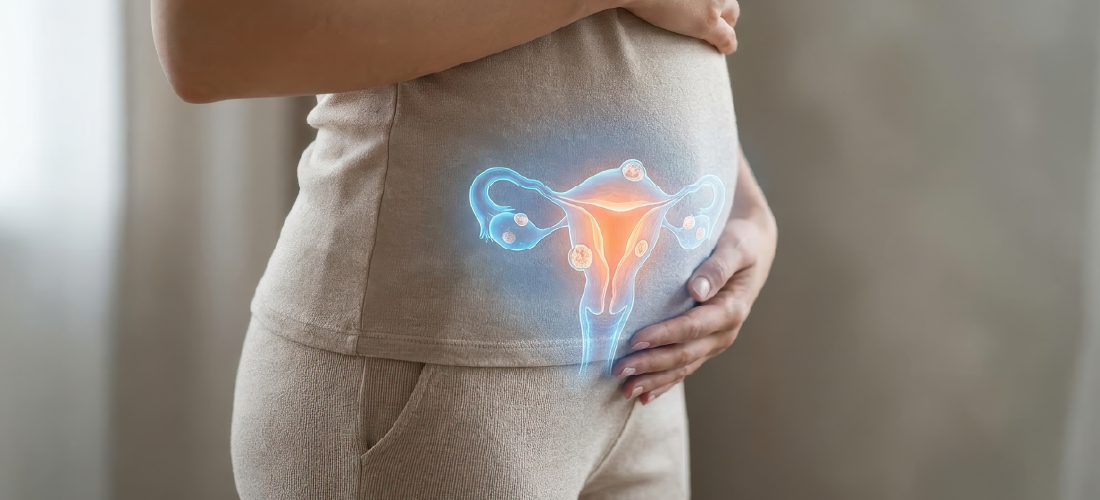
Uterine fibroids are among the most common gynaecological conditions affecting women of reproductive age, with studies suggesting that up to 70–80% of women will develop fibroids at some point in their lives. Many may not ever experience symptoms. In tier 1 metro cities in India, like Hyderabad, increasing access to high-quality ultrasound and MRI imaging has led to a significant rise in fibroid diagnoses, as well as the next critical question: what is the best treatment option for fibroids?
While the answer ultimately depends on personal choice and biological necessities, understanding the full spectrum of treatments—from medication to surgery and minimally invasive procedures—helps women approach their consultation informed, confident, and prepared.
What Are Uterine Fibroids and When Do They Need Treatment?
Uterine fibroids, also known as leiomyomas or myomas, are non-cancerous growths that develop within or on the wall of the uterus. They vary enormously in size. They can be anywhere between a few millimetres to several centimetres and may occur as a single growth or in clusters.
Many women with fibroids require no treatment at all. When fibroids are small, asymptomatic, and not interfering with fertility or daily function, a policy of active monitoring is entirely appropriate. However, intervention becomes necessary when fibroids cause:
- Heavy or prolonged menstrual bleeding, leading to anaemia and fatigue
- Pelvic pain, pressure, or bloating
- Urinary frequency or difficulty emptying the bladder
- Complications with fertility or pregnancy, including recurrent miscarriage
- Significant impact on quality of life or daily functioning
The nature, size, location, and number of fibroids combined with the patient's age, symptoms, and reproductive goals collectively determine which treatment is most appropriate.
What Treatment Options Are Available for Fibroids?
There is no single universally correct treatment for uterine fibroids. The options currently available include medication, surgical removal of the fibroids (myomectomy), surgical removal of the uterus (hysterectomy), and minimally invasive uterine fibroid embolization (UFE). Each approach carries distinct advantages and limitations that must be weighed carefully on an individual basis.
Can Medicines Cure Fibroids or Only Control Symptoms?
Hormonal medications like gonadotropin-releasing hormone (GnRH) analogues and progestins can reduce fibroid size and manage symptoms such as heavy bleeding and pelvic discomfort. They are typically used as a short-term measure, either to provide symptomatic relief or to shrink fibroids prior to a planned surgical procedure.
Advantages:
- Non-invasive and readily accessible
- Can provide meaningful short-term symptom control
- May reduce surgical complexity when used pre-operatively
Limitations:
- Fibroids almost invariably return to their original size after medication is discontinued
- Major side effects include menopausal symptoms, bone density loss, and mood changes and limit long-term use
- Medication does not constitute a definitive or curative treatment
What Is Myomectomy and Who Is It Best Suited For?
Myomectomy is a surgical procedure in which individual fibroids are removed while the uterus is preserved. It may be performed via open surgery, laparoscopy (keyhole surgery), or hysteroscopy, depending on the size and location of the fibroids.
Advantages:
- Preserves the uterus and, in many cases, fertility
- Effective for specific fibroid types, particularly submucosal fibroids that distort the uterine cavity
Limitations:
- Carries the risks inherent to any surgical procedure, including bleeding, infection, and anaesthetic complications
- Fibroids may recur following myomectomy, particularly in younger women
- Requires a hospital stay and a recovery period of several weeks
- Not always feasible for women with a large number of fibroids or those in difficult anatomical locations
Myomectomy is most appropriately considered for women who wish to preserve fertility and have a limited number of fibroids amenable to surgical removal.
Is Hysterectomy the Only Permanent Solution for Fibroids?
Hysterectomy, or the complete surgical removal of the uterus, is the only intervention that guarantees fibroids will not recur. For women who are experiencing severe, treatment-resistant symptoms and have no fertility concerns, it may represent a reasonable and definitive option.
Advantages:
- Permanently eliminates fibroids and their associated symptoms
- No possibility of recurrence
Limitations:
- Major surgical procedure carrying significant risks, including blood loss, organ injury, and anaesthetic complications
- Can lead to physiological changes like including early menopause, hormonal imbalance, hot flashes, vaginal dryness, reduced bone density, and potential cardiovascular effects
- Permanently ends the possibility of pregnancy
- Requires a longer recovery period, typically six to eight weeks
- For many women, the psychological and emotional impact of uterine loss warrants careful consideration and counselling before proceeding
It is important that women are made fully aware that hysterectomy is not the only effective treatment for fibroids, and that less invasive alternatives with comparable outcomes exist for many patients.
What Is Uterine Fibroid Embolization (UFE) and How Does It Work?
Uterine fibroid embolization (UFE) is a minimally invasive procedure performed by an interventional radiologist, rather than a gynaecological surgeon. Under imaging guidance, a thin catheter is introduced through a small puncture in the wrist or groin and navigated to the uterine arteries supplying blood to the fibroids. Tiny particles called Embospheres are then delivered through the catheter to block this blood supply. Deprived of oxygen and nutrients, the fibroids gradually shrink and their symptoms resolve.
The procedure requires no surgical incision, no general anaesthesia, and no removal of any tissue.
Advantages:
- Minimally invasive, with no surgical wound
- The uterus is preserved in its entirety
- Treats all fibroids simultaneously, regardless of number or location
- Short hospital stay, typically one night
- Faster return to normal activity compared to surgical alternatives
- Clinically proven to provide durable symptom relief in the majority of patients
Limitations:
- Not suitable for all fibroid types or all patients. A thorough pre-procedural evaluation is essential
- Mild to moderate pelvic cramping is common in the days following the procedure
- The long-term impact on fertility, while generally considered favourable, requires discussion on an individual basis with women who wish to conceive
How Does UFE Compare to Other Fibroid Treatments?
| Feature | UFE | Myomectomy | Hysterectomy |
|---|---|---|---|
| Invasiveness | Minimally invasive | Surgical | Major surgery |
| Anaesthesia | Sedation / local | General | General |
| Hospital Stay | 1 night | 2–4 nights | 3–5 nights |
| Recovery Time | 1–2 weeks | 4–6 weeks | 6–8 weeks |
| Uterus Preserved | Yes | Yes | No |
| Fertility Preserved | Yes | Yes | No |
| Treats Multiple Fibroids | Yes | Selective | Yes |
| Risk of Recurrence | Low | Possible | None |
Which Fibroid Treatment Is Best for You?
There is no universal answer. The most appropriate treatment depends on a combination of factors that are unique to each patient:
- Age and stage of life: Younger women in early reproductive years may have different priorities than those approaching or past menopause
- Fertility goals: Women who wish to conceive require uterus-preserving options and specialist fertility counselling
- Symptom severity: The degree to which fibroids are affecting quality of life influences how aggressive an approach is warranted
- Fibroid characteristics: Size, number, and anatomical location all affect which treatments are technically feasible
- Overall health and surgical fitness: Co-existing medical conditions may make major surgery a higher-risk undertaking
A thorough evaluation by an experienced specialist is essential to making this decision well, ideally one with expertise across multiple treatment modalities.
How Do These Factors Influence the Choice of Treatment?
Understanding how each factor shapes treatment selection can make consultations more meaningful:
Size of fibroids
- Small fibroids may be managed with medication or monitored if asymptomatic
- Moderate-sized fibroids often respond well to minimally invasive options like uterine fibroid embolisation (UFE)
- Very large fibroids may require surgical approaches, especially if they distort surrounding organs
Number of fibroids
- Single or few fibroids are often suitable for targeted surgical removal (myomectomy)
- Multiple fibroids may make surgery complex, increasing the appeal of treatments like UFE that address all fibroids simultaneously
Location of fibroids
- Submucosal fibroids (inside the uterine cavity) are more likely to cause heavy bleeding and fertility issues; hysteroscopic removal is often preferred
- Intramural fibroids (within the uterine wall) may require embolisation or surgery depending on size and symptoms
- Subserosal fibroids (on the outer surface) may cause pressure symptoms and are often managed surgically if large
Symptom profile
- Heavy menstrual bleeding may respond well to medication or UFE
- Bulk-related symptoms (pressure, urinary frequency) often require procedural intervention
- Pain or fertility issues may favour specific surgical approaches
Fertility considerations
- Uterus-preserving treatments are prioritised
- Certain procedures may be preferred based on how they affect the uterine lining and future implantation
Age and proximity to menopause
- Women nearing menopause may opt for conservative or minimally invasive management, as fibroids often shrink naturally over time
- Younger patients may require longer-term solutions with lower recurrence risk
Overall health
- Patients with higher surgical risk may benefit from minimally invasive, non-surgical treatments that avoid general anaesthesia and prolonged recovery
Together, these factors guide a personalised treatment strategy by balancing effectiveness, safety, recovery time, and long-term outcomes.
What Should You Expect After Fibroid Treatment?
Recovery varies considerably depending on the treatment chosen:
- After UFE: Most patients are discharged within 24 hours and return to light daily activity within one to two weeks. Pelvic cramping and mild fatigue are common in the first few days and are managed with standard pain relief.
- After Myomectomy: A hospital stay of two to four days is typical, with a full recovery period of four to six weeks before returning to normal activity.
- After Hysterectomy: Recovery takes six to eight weeks, with significant restrictions on physical activity during this period. Emotional adjustment is an important part of the recovery process for many women.
Why Choose RIVEA for Uterine Fibroid Embolization in Hyderabad?
RIVEA is a dedicated centre for non-surgical, image-guided vascular and interventional treatments and uterine fibroid embolization in Hyderabad is among our core areas of subspecialty expertise. Our IR programme is led by Dr. Arjun Reddy, an interventional radiologist recognised as one of the leading specialists in South India.
When you choose RIVEA, you can expect:
- Advanced imaging technology: Procedures are performed using the Allia IGS 7 hybrid imaging system, one of the most precise image-guidance platforms available, enabling exceptional accuracy and safety throughout the embolization procedure
- Specialist-led care: You will be assessed and treated by a dedicated fibroid specialist with focused expertise in minimally invasive interventional techniques
- Personalised treatment planning: Every care plan is tailored to your symptoms, fibroid characteristics, fertility goals, and lifestyle
- Efficient access to treatment: We prioritise timely consultations and streamlined care pathways, so that patients are not left waiting while their symptoms continue to affect their quality of life
- Outpatient convenience: UFE at RIVEA is performed as a short-stay procedure, allowing most patients to return home within 24 hours and resume normal activity within one to two weeks
Click here to learn more about:
Uterine Fibroids
For any inquiries, post your query here:
Ask Rivea
Contact us today to explore your options.
Call Now