How to Choose the Right Fibroid Treatment: What to Ask Before Making a Decision
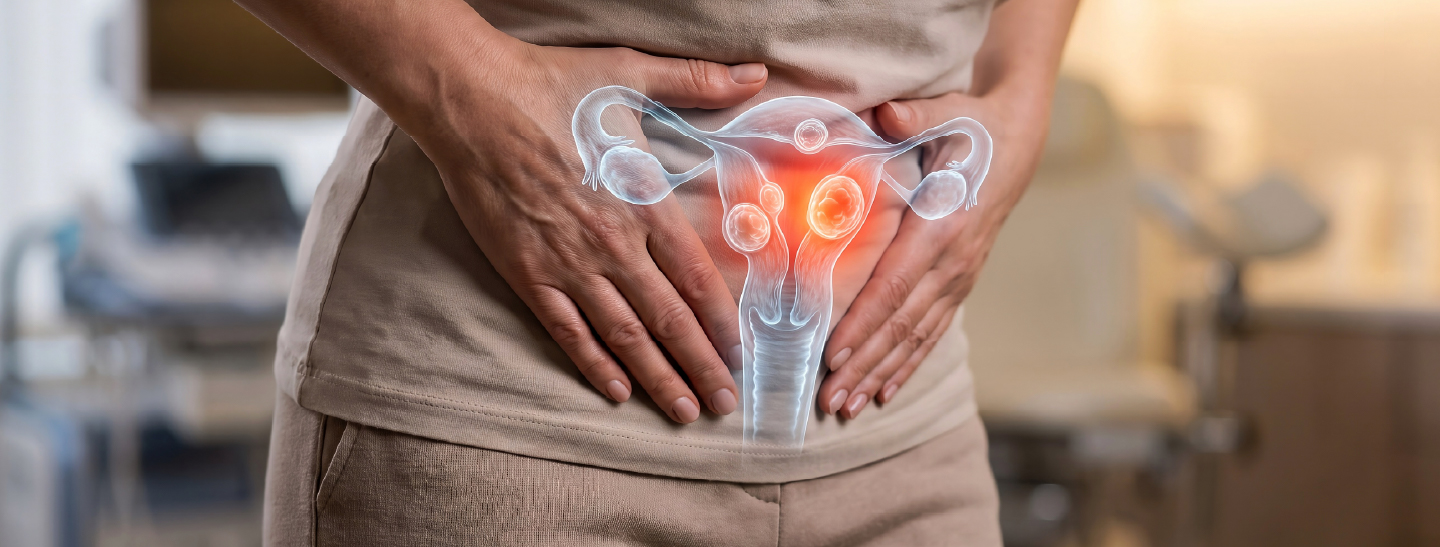
Once you know you have fibroids, the next natural question tends to be: What treatment should I choose?
Women today have more options than ever before. Alongside established surgical procedures such as hysterectomy and myomectomy, minimally invasive treatments like Uterine Fibroid Embolization (UFE) have expanded the choices available for women seeking relief from fibroid symptoms.
The best approach depends not only on the fibroids themselves, but also on your symptoms, overall health, future pregnancy plans, and personal priorities. A treatment that is ideal for one woman may not be the best choice for another.
Before deciding on any procedure, here are some important questions to discuss with your doctor.
Do I Actually Need Treatment?
Not all fibroids require treatment. Fibroids are extremely common, with studies suggesting that up to 80% of women develop them by the age of 50. Many never cause symptoms and are discovered only during a routine examination or imaging test performed for another reason.
Treatment is usually recommended when fibroids begin affecting your quality of life or lead to complications such as persistent heavy menstrual bleeding, iron-deficiency anaemia, pelvic pain, pressure symptoms, or fertility concerns.
If your symptoms are mild and your fibroids are stable, your doctor may recommend regular monitoring rather than immediate intervention. The decision to treat should be based on how much the fibroids are affecting your daily life and not simply on the fact that they are present.
What Are My Fibroids Like?
One of the biggest factors influencing treatment is the fibroids themselves.
Doctors assess:
- The number of fibroids
- Their size
- Their location within the uterus
- Whether symptoms are caused primarily by bleeding, pressure, or both
Location is often just as important as size. For example, fibroids growing into the uterine cavity may cause heavy bleeding or interfere with pregnancy, while those on the outside of the uterus may produce pressure symptoms by pressing on nearby organs.
This is why imaging is an essential part of treatment planning. Two women can have fibroids of a similar size but require completely different treatments because of where those fibroids are located.
Do I Want to Have Children in the Future?
Future pregnancy plans are one of the most important considerations when choosing fibroid treatment. If you hope to conceive, your doctor will consider how the fibroids may affect fertility and whether treatment is likely to improve your chances of a healthy pregnancy.
Myomectomy, which removes fibroids while preserving the uterus, is often recommended when fibroids distort the uterine cavity or are thought to interfere with implantation or pregnancy. Uterine Fibroid Embolization also preserves the uterus, and many successful pregnancies have been reported following the procedure. Hysterectomy, since it involves the surgical removal of the uterus, makes future pregnancies impossible.
Is Keeping My Uterus Important to Me?
The uterus is not just a reproductive organ. It is important for the proper functioning of a woman’s body, as it contributes to pelvic support, hormonal communication with other reproductive organs, bone health,and overall quality of life, and not every woman who wishes to preserve her uterus is planning to have children. Understanding your own priorities helps guide treatment discussions.
Hysterectomy permanently removes the uterus and provides definitive treatment for fibroids.
Both myomectomy and UFE preserve the uterus while treating fibroids in different ways. Discussing these options with your specialist allows your treatment plan to reflect not only your medical needs but also your personal preferences.
Am I Comfortable Having Major Surgery?
Fibroid treatments differ significantly in how they are performed.
Hysterectomy and myomectomy are surgical procedures performed by a gynaecologist. Depending on the individual case, they may involve open surgery or minimally invasive techniques such as laparoscopy.
Uterine Fibroid Embolization takes a different approach. It is performed by an interventional radiologist, and treats fibroids from inside the blood vessels using a tiny catheter inserted through the wrist or groin. Rather than removing the fibroids surgically, it blocks the arteries supplying them with blood, allowing them to shrink gradually over time.
For women hoping to avoid major surgery, this minimally invasive approach may be an important consideration, although suitability depends on careful evaluation.
How Much Time Can I Take Off for Recovery?
Recovery questions involve more than just the process of healing after a procedure and considers returning to work, caring for family, exercising, etc. In short, resuming normal daily activities.
Recovery after hysterectomy or open myomectomy typically takes several weeks, although laparoscopic surgery may allow an earlier return to normal routines. Recovery after UFE is generally shorter because there is no large surgical incision. Most women return home the same day or after an overnight stay and are able to resume many normal activities within one to two weeks. While recovery time should never be the only deciding factor, it can play an important role when balancing treatment options with work and family commitments.
Am I Looking for a Permanent Solution or the Least Invasive One?
If your priority is a permanent solution, hysterectomy eliminates fibroids completely because the uterus is removed, meaning fibroids cannot recur.
UFE offers a minimally invasive alternative by shrinking fibroids without surgery. Existing fibroids usually become significantly smaller over time, but because the uterus remains in place, new fibroids can still develop in the future. The same is applicable for myomectomy, which surgically removes existing fibroids while leaving the uterus intact, although new fibroids may develop later.
Understanding these trade-offs helps ensure your expectations match the treatment you choose.
What Are the Risks and Could I Need Another Procedure Later?
Every medical procedure has potential risks, and no treatment is completely free of the possibility of future intervention.
Surgical procedures such as hysterectomy and myomectomy carry recognised risks including bleeding, infection, blood clots, injury to nearby organs, and complications related to general anaesthesia.
Because UFE avoids open surgery, these surgical risks are reduced. Instead, women commonly experience temporary pelvic cramping, fatigue, or low-grade fever during the first few days after treatment, collectively known as post-embolization syndrome.
The possibility of future treatment also varies.
A hysterectomy rarely requires additional treatment for fibroids because the uterus has been removed. After myomectomy or UFE, new fibroids may develop over time, meaning some women require further treatment in the future. Needing another procedure does not necessarily mean the original treatment failed. Fibroids are a chronic condition, and preserving the uterus also preserves the possibility of developing new fibroids later in life.
Which Specialist Should I See?
You may be surprised to learn that fibroids may be treated by more than one type of specialist.
Gynaecologists perform procedures such as hysterectomy and myomectomy, while Uterine Fibroid Embolization is performed by an interventional radiologist with expertise in image-guided, catheter-based treatments.
Because several effective treatment options exist, understanding all available approaches before making a decision is important.
An informed consultation should explain not only which treatment is being recommended, but also why it is appropriate for your symptoms, imaging findings, future plans, and personal preferences.
When a Hysterectomy May Be the Right Choice
A hysterectomy may be recommended for women seeking a permanent solution to fibroids, particularly if they are experiencing severe or persistent symptoms and do NOT intend to have children. Because the uterus is removed, fibroids cannot return, making it the only definitive treatment.
It may also be appropriate when fibroids are very large, numerous, or difficult to treat while preserving the uterus, or when previous treatments have not provided lasting relief. While highly effective, it is also the most invasive option and involves a longer recovery period and also has several health ramifications.
When a Myomectomy May Be the Right Choice
Myomectomy is often considered for women who wish to preserve their uterus, particularly those planning a future pregnancy. By removing the fibroids while leaving the uterus intact, it can relieve symptoms without affecting the possibility of conception.
The procedure is especially useful when fibroids distort the uterine cavity or are thought to interfere with fertility. However, because the uterus remains, new fibroids can develop over time, and some women may require additional treatment in the future.
When Uterine Fibroid Embolization (UFE) May Be the Right Choice
Uterine Fibroid Embolization (UFE) may be an excellent option for women who want effective symptom relief without undergoing major surgery. Rather than removing the fibroids, UFE blocks the blood supply that allows them to grow, causing them to shrink gradually over time.
It may be particularly suitable for women with heavy menstrual bleeding, pelvic pressure, or multiple fibroids, especially if they wish to preserve their uterus and prefer a minimally invasive procedure with a shorter recovery. While UFE is not suitable for every patient it offers a well-established alternative to surgery for appropriately selected candidates.
Why Choose RIVEA?
At RIVEA, treatment planning begins with understanding the individual.
Women being evaluated for fibroids undergo a thorough assessment of their symptoms, imaging findings, overall health, and future reproductive plans before treatment recommendations are made.
For women who are suitable candidates, Uterine Fibroid Embolization is performed by Dr. Arjun Reddy, an experienced interventional radiologist specialising in embolization procedures. Treatments are carried out using the advanced Allia™ IGS 7 image-guided therapy platform, which provides high-resolution, real-time imaging to support procedural precision.
Not every woman is best served by UFE, and when another treatment is more appropriate, that recommendation is discussed openly. The goal is to ensure every patient understands her options and feels confident in making an informed decision about her care.
Ultimately, the best treatment is the one that aligns with your symptoms, imaging findings, future plans, and personal priorities. A thorough evaluation by the right specialists can help ensure you choose the option that's best suited to your individual needs.
So, the opening question might be reframed better as "Which treatment is best for me?"
For some, a hysterectomy provides the reassurance of a permanent solution. Others may prioritise preserving the uterus through myomectomy or choose a minimally invasive option such as Uterine Fibroid Embolization to avoid major surgery. The right treatment depends on balancing symptom relief, recovery, fertility goals, long-term expectations, and your individual circumstances.
The most informed decisions are made when you understand all your options and work with specialists who can explain the benefits and limitations of each.
Click here to learn more about:
Uterine Fibroid Embolization
For any inquiries, post your query here:
Ask Rivea
Contact us today to explore your options.
Call Now