How Obesity Affects Your Circulation and Vein Health
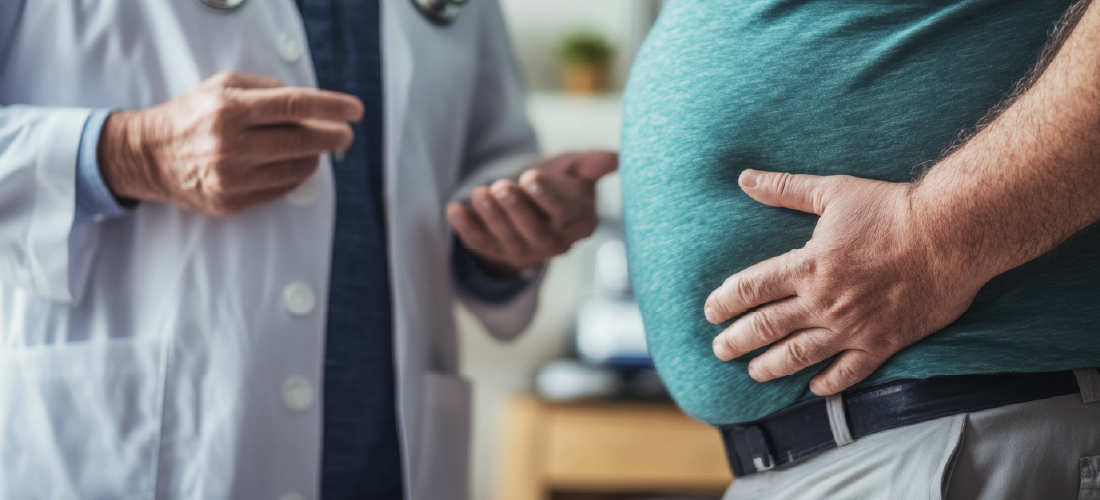
Obesity in India has been growing to public health hazard levels of late. The burden is even higher in Telangana and more than half the women in Hyderabad, and roughly 4 in 10 adults across urban Telangana, are now overweight or obese. These numbers continue to climb, as do their usual consequences, like damage to the veins and blood vessels that keep circulation running smoothly, along with diabetes, hypertension, heart disease and joint problems.
These are a few of the many conditions that are exacerbated or can be directly caused by obesity, but for this blog, we shall focus on how it affects the body's blood vessels, circulation and vein function.
The Growing Weight of the Problem
As mentioned, obesity is one of the fastest-growing health concerns in India. The National Family Health Survey (NFHS-5, for the year 2019–20) published these findings: nearly 1 in 4 Indian adults — 24% of women and 23% of men aged 15–49 — are overweight or obese. Alongside this rise, the rates of obesity-linked comorbidities are also rising, making obesity one of the country's fastest-growing risk factors for non-communicable disease.
How and Why Extra Weight Puts Pressure on Your Circulatory System
Your circulatory system is made up of more than 50,000 miles of blood vessels, along with the heart and lymphatic system. This system is responsible for moving nutrients, oxygen, and waste through the body. If that network is clogged, or blocked, the normal flow of blood stops. Poor circulation is not a disease on its own but rather a symptom of underlying problems.
Carrying extra weight adds strain to this system in several ways. The circulatory system must work harder to meet the demands of a larger body mass. With the increase in blood volume, the heart works harder to pump blood, and pressure within blood vessels rises.
It raises blood pressure and cholesterol. Higher blood pressure disrupts cholesterol levels. High cholesterol builds up on artery walls, narrowing them and restricting blood flow, while high blood pressure wears down blood vessels over time. In fact, most primary hypertension cases (high blood pressure without a single obvious cause) are estimated to be linked to obesity.
Low-grade, chronic inflammation caused by excess weight can spread to the circulatory system, damaging blood vessel walls and making them less flexible. Obesity increases the risk of diabetes, and high blood sugar can damage the inside of blood vessels while making blood thicker and harder to move. Obesity can also physically compress the veins. This is especially true in the legs, where excess weight adds direct pressure on veins working against gravity to send blood back to the heart.
Taken together, you can see how these effects raise heart disease risk and damage veins and slow circulation throughout the body.
How Obesity Affects Vein Health or, Vascular Conditions Linked to Obesity
Veins return blood back to the heart. In the legs, this process requires blood to move upward against gravity. To accomplish this, veins contain one-way valves that prevent blood from flowing backwards. When excess body weight increases pressure within the abdomen and lower limbs, these valves are placed under greater strain.
Varicose Veins
The added pressure obesity places on leg veins can weaken vein walls and the valves that keep blood flowing in one direction. As blood pools instead of moving efficiently, veins become bulging and twisted. Common symptoms include leg pain and heaviness, visible bluish-purple veins near the skin's surface, swelling in the legs and ankles, and itching or discomfort around the affected area.
Chronic Venous Insufficiency (CVI)
Obesity is a major risk factor for CVI, a condition where leg veins struggle to return blood to the heart efficiently. Left unaddressed, it can lead to persistent swelling, skin discoloration, leg fatigue, and in severe cases, venous ulcers.
Deep Vein Thrombosis (DVT)
People with obesity face a higher likelihood of developing blood clots in the deep veins, typically in the legs. This is a serious condition. If a clot breaks loose and travels to the lungs, it can cause a life-threatening pulmonary embolism.
Peripheral Artery Disease (PAD) and Broader Vessel Damage
Chronic inflammation, high blood pressure, and elevated cholesterol combine to stiffen and damage blood vessel walls, raising the risk of PAD, heart disease, stroke, and slower wound healing.
Lymphedema and Chronic Swelling
Excess body fat can interfere with the lymphatic system's ability to drain fluid properly, leading to ongoing swelling in the legs, discomfort, and a higher risk of infection.
Warning Signs Worth Paying Attention To
If you're overweight or obese, keep an eye out for for:
- Persistent swelling in the legs
- Visible varicose veins
- Leg pain or cramping, especially when walking
- Skin discoloration around the ankles
- Slow-healing wounds on the legs or feet
- Sudden swelling or pain in just one leg
- Cold hands and feet, numbness, or tingling
- Dry skin, brittle nails, or cramps that worsen with activity
Sudden one-sided leg swelling or pain, chest pain, difficulty breathing, or stroke-like symptoms are medical emergencies and warrant an immediate call to emergency services. Do not wait for them to reduce.
Can Weight Loss Improve Circulation? Protecting Your Veins and Circulation
Even modest changes can meaningfully reduce strain on the circulatory system:
- Aim for a healthy weight. Even a few kilograms of weight loss can start improving cholesterol, and losing just 5–7% of body weight can lower diabetes risk.
- Stay active. Walking, swimming, cycling, or yoga help promote healthy blood flow and strengthen the muscles that support vein function.
- Avoid prolonged sitting or standing. Stand up at least once an hour if you sit for long periods, or move around periodically if you're on your feet all day.
- Eat a balanced, fiber-rich diet. Vegetables, whole grains, and lean proteins support vascular health, while cutting back on saturated fat and added sodium helps manage blood pressure.
- Stay hydrated. Blood is roughly half water, so proper hydration supports easier blood flow.
- Avoid smoking, which accelerates artery damage and worsens circulation.
- Wear compression stockings if recommended by a doctor, particularly if you already notice vein-related symptoms.
- Monitor your blood pressure at home, aiming for a reading near 120/80 mmHg, and follow up with a provider if it runs higher.
Why Choose RIVEA?
At RIVEA, vascular care is delivered by specialists who focus exclusively on diseases of the blood vessels. Our team combines advanced imaging, minimally invasive treatments and comprehensive vascular expertise to diagnose and manage conditions affecting circulation, arteries, veins and the lymphatic system.
We provide personalised treatment plans designed to improve blood flow, relieve symptoms and support long-term vascular health for a whole range of circulatory diseases, from varicose veins and chronic venous insufficiency to peripheral artery disease and limb-threatening circulatory problems. Early diagnosis and timely intervention can make a significant difference and our goal is first of all, to help patients receive the right treatment at the right stage of their condition.
Click here to learn more about:
Deep Vein Thrombosis (DVT)
For any inquiries, post your query here:
Ask Rivea
Contact us today to explore your options.
Call Now