Understanding Your Risk of Peripheral Artery Disease Before Symptoms Appear
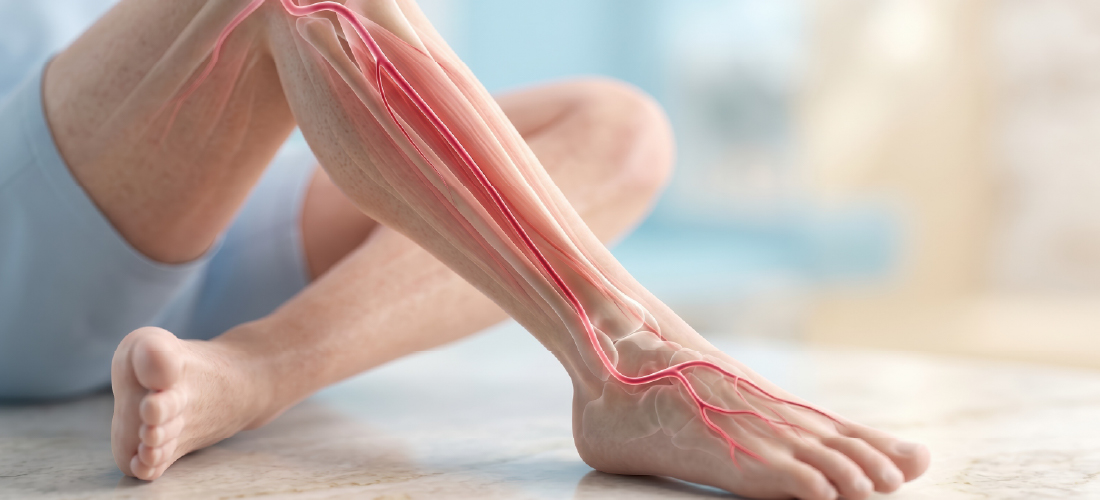
Peripheral artery disease (PAD) is a very common circulatory condition. Like most such diseases, it typically develops over a long period of time as plaque and cholesterol accumulates within arteries, sometimes without causing immediate or noticeable changes in how you feel. During this time, arteries narrow slowly from plaque build-up. It is just as likely you may continue with your usual activities without realising that blood flow has become restricted.
The most common risk factors for PAD are those that can affect the health of their arteries over time. Smoking, diabetes, high cholesterol and high blood pressure all contribute to the risk of PAD. Age and a history of cardiovascular disease also matter. Although these factors do not mean that you will necessarily develop PAD, they can help guide decisions about prevention and assessment. Recognising your risk factors can help you understand when it may be appropriate to discuss your vascular health with a doctor.
Understanding how PAD develops, why it can go unnoticed and what you can do to protect your vascular health is an important part of reducing your risk of complications.
What happens to the arteries as PAD develops?
Arteries carry oxygen-rich blood from the heart to the rest of the body, including the muscles and tissues of the legs and feet. In people with PAD, these arteries become narrowed or blocked, most often because of atherosclerosis. Atherosclerosis develops when plaque, made up of cholesterol, inflammatory cells and other substances, accumulates within the artery walls. As the plaque grows, it can reduce the space available for blood to flow through the artery.
At rest, a partly narrowed artery may still deliver enough blood. When you walk or exercise, your leg muscles need much more oxygen than a stiffened, narrowed vessel can supply. This is what causes the discomfort, cramping or fatigue that is usually associated with PAD. As the disease advances, blood flow may become insufficient even when you are resting. In severe cases, reduced circulation can contribute to wounds that do not heal, tissue damage and an increased risk of limb loss.
Who is at risk of developing PAD?
PAD shares many risk factors with other forms of cardiovascular disease, including coronary artery disease and stroke. Some risk factors cannot be changed, while others can be managed through lifestyle measures and medical treatment.
What are the risk factors you cannot change?
The likelihood of PAD increases with age, partly because atherosclerosis develops over time. However, PAD can also affect younger adults, particularly those who smoke or have conditions such as diabetes.
Having close relatives with cardiovascular disease may indicate an increased susceptibility. Family history can reflect inherited factors as well as shared lifestyle and health patterns.
A history of coronary artery disease or stroke may indicate that atherosclerosis is affecting, or could affect, other parts of the arterial system. Disease in one group of arteries can be a reason to assess overall cardiovascular risk.
Why PAD may go unnoticed in its early stages
One of the challenges with PAD is that a person may have arterial narrowing without experiencing the symptoms commonly associated with the condition. It is sometimes found only by chance, when a doctor notices weak foot pulses during an unrelated examination or investigates the circulation as part of a heart workup.
This can make it difficult to recognise the problem based on how the legs feel alone. The earliest symptoms are often minor changes and discomforts, like being unable to walk as far as usual or legs that tire more easily. Most people would chalk these changes up to ageing, reduced fitness or joint problems rather than circulation.
The textbook symptom of PAD is a cramping calf pain that comes on with walking and eases with rest but it is not universal either. You may instead experience an unusual discomfort in the thigh, foot or buttock, or no discomfort at all. If your level of physical activity is low in the first place, chances are you don’t place enough demand on the leg muscles in the first place to reveal a restriction in blood flow.
Diabetes can affect sensation and diabetic neuropathy blunts the ability to feel pain, pressure and injury so a blister, a pebble in a shoe or a small wound may go unnoticed for days. Combined with poor circulation, an unfelt injury can become an ulcer or infection before the person realises anything is wrong.
Can your everyday habits affect arterial circulation?
Everyday habits influence several of the processes involved in atherosclerosis. Changes to smoking, physical activity and diet can help manage cardiovascular risk, although they cannot eliminate every risk factor or guarantee that PAD will be prevented.
Lifestyle threats and other risk factors that can be managed
Smoking and tobacco exposure
Of these, smoking and tobacco exposure are probably the most damaging. Chemicals in tobacco smoke damage the lining of blood vessels and contribute to atherosclerosis. Smoking also increases the risk of cardiovascular events and complications in people who already have PAD. Avoiding second-hand smoke is also part of reducing tobacco exposure.
Physical activity
Regular physical activity supports cardiovascular health and can help manage blood pressure, cholesterol, blood glucose and body weight. Activities such as walking, cycling or swimming may be suitable, depending on your health and mobility.
Exercise does not clear plaque that has already formed inside the arteries. For people who have already been diagnosed with PAD, a structured exercise programme, often supervised, can improve walking ability and help reduce the impact of symptoms.
Diet and cholesterol management
Elevated levels of low-density lipoprotein (LDL) cholesterol contribute to plaque formation within artery walls. Managing cholesterol can help reduce overall cardiovascular risk. A balanced dietary pattern can help manage cholesterol, blood pressure and blood glucose. Include a variety of vegetables, fruits, whole grains, legumes and suitable sources of protein. Limiting foods high in saturated fat and highly processed foods may also support cardiovascular health.
Dietary changes are useful, but some people need medication to manage cholesterol or other risk factors. Your treatment plan should take your overall cardiovascular risk and medical history into account.
Blood pressure and blood glucose management
High blood pressure (hypertension) and diabetes can affect blood vessels over time, even when you feel well. Regular monitoring is the best possible way to identify changes that need attention, as high blood pressure often causes no obvious symptoms. Persistently high blood glucose can damage blood vessels and increase the risk of atherosclerosis. Diabetes can also affect nerves and wound healing, making foot problems more difficult to recognise and manage.
When should you consider a PAD assessment, even without symptoms?
The decision depends on your risk factors, medical history and physical examination. If you have several cardiovascular risk factors, it is worth discussing with your doctor whether an assessment of your circulation is appropriate.
A doctor may consider further evaluation if you:
- Have a history of smoking, particularly alongside diabetes, high blood pressure or high cholesterol.
- Have diabetes and develop foot problems, reduced sensation or wounds that heal slowly.
- Have known coronary artery disease or a history of stroke.
- Have reduced or difficult-to-detect pulses in your feet.
- Notice unexplained changes in foot temperature, colour or skin condition, or have wounds that are slow to heal.
These findings do not automatically confirm PAD. Other conditions can cause similar changes, so assessment is important to establish the cause.
How is PAD assessed?
Your doctor may review your medical and family history, ask about smoking and other risk factors, and examine your legs and feet. They may check the pulses in your feet and look for changes that could indicate reduced circulation.
One test used to assess PAD is the ankle-brachial index (ABI). It compares blood pressure measured at the ankle with blood pressure measured in the arm. A lower-than-expected ankle pressure may indicate reduced blood flow to the legs.
Depending on your medical history and the initial findings, further tests may be needed. These can include Doppler ultrasound, which helps assess blood flow through the arteries, or toe pressure measurements in certain patients. No single test is appropriate for every situation.
The purpose of an assessment is to determine whether PAD is present and, if it is, understand its severity and whether treatment or further monitoring is needed. Risk factors alone do not establish a diagnosis, and testing decisions are made in the context of individual clinical needs.
What can you do to reduce your risk of PAD?
You cannot change every factor that affects your vascular health, such as age or family history. However, there are practical steps that can help reduce cardiovascular risk and support early recognition of problems.
- Stop smoking.
- Monitor your blood pressure, cholesterol and blood glucose. Follow the schedule recommended by your doctor.
- Stay physically active. Choose activities that suit your health, mobility and current level of fitness.
- Follow a balanced diet. Eat meals that support healthy cholesterol, blood pressure and glucose levels.
- Go for the follow-ups recommended by your doctor. This is particularly important if you have diabetes or established cardiovascular disease.
- Check your feet regularly if you have diabetes or reduced sensation. Look for cuts, blisters, colour changes and wounds, especially in areas that are difficult to see.
- Report changes in walking ability or wound healing to a doctor. Recurrent discomfort during walking, unexplained changes in the feet or slow-healing wounds deserve assessment.
If you have a foot wound that is worsening, signs of infection or new severe pain at rest, seek prompt medical attention. Sudden severe pain, a newly cold or pale foot, or sudden loss of sensation or movement may indicate an acute circulation problem and require emergency assessment.
PAD can develop well before your legs or feet give a clear warning. Knowing your risk factors helps you make better decisions about prevention and recognise when an assessment is worthwhile. Atherosclerosis rarely confines itself to one region, so people with PAD face a higher risk of heart attack and stroke, so recognising and managing it is part of protecting the whole cardiovascular system. If you have risk factors, or you have noticed changes in how far you can walk, in the temperature or colour of your feet, or in how quickly wounds heal, consult a vascular specialist. An early evaluation can clarify what is causing these changes and guide the next steps.
Choose RIVEA for PAD Care
At RIVEA Vascular Institute , peripheral artery disease (PAD) care is led by Dr. Syed Mohammed Ali Ahmed, Chief Vascular Surgeon. The team provides individualised treatment based on the extent of arterial disease, the patient's overall health and the goal of preserving limb function.
- Advanced Hybrid Operating Room: Combines surgical capabilities with advanced imaging to support complex vascular procedures.
- Minimally invasive and surgical treatment options: Treatment is tailored to the patient's condition, with minimally invasive approaches considered where appropriate.
- Precision imaging: Supports detailed assessment of arterial blockages and helps guide targeted treatment.
- Individualised treatment planning: Considers disease severity, mobility, lifestyle and limb preservation goals.
- Comprehensive limb salvage strategies: Integrates vascular assessment, revascularisation and surgical care for selected patients with chronic arterial blockages, diabetic foot complications and traumatic vascular injuries.
RIVEA's approach brings together advanced imaging, vascular expertise and coordinated treatment to address both chronic occlusive disease and complex vascular trauma. For patients at risk of limb loss, timely assessment and an appropriate treatment plan can help support wound healing, preserve limb function and improve the prospects for functional recovery.
Click here to learn more about:
Peripheral Arterial Disease (PAD)
For any inquiries, post your query here:
Ask Rivea
Contact us today to explore your options.
Call Now