What Can a Podiatrist Tell You About Your Circulation?
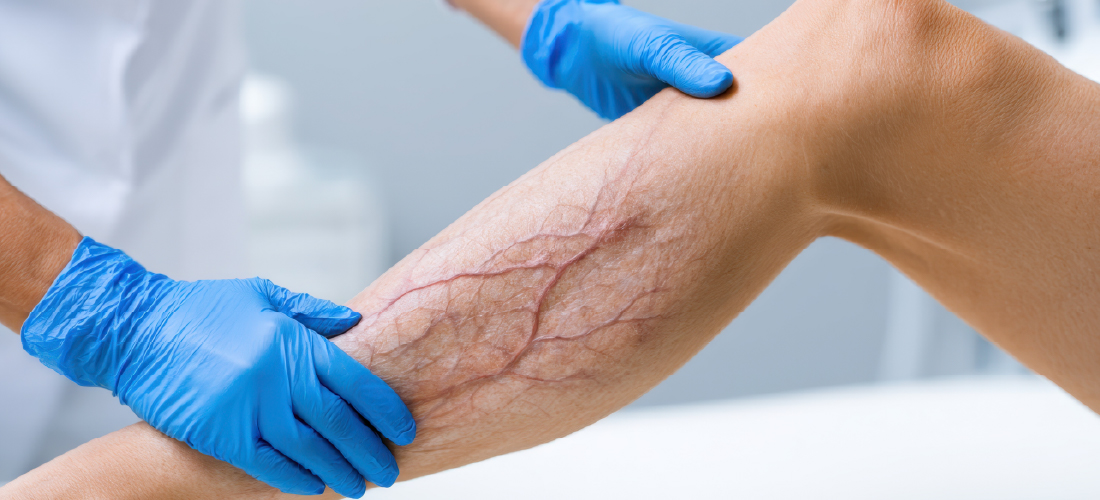
Did you know that your feet can reveal a great deal about your overall circulation?
Many vascular conditions, particularly those affecting the arteries and veins in the legs, tend to show up in the feet before they cause the more obvious symptoms of circulatory disease elsewhere. Persistent wounds, for example, or wounds on the foot that are slow to heal, swelling, pain while walking or unusually cold feet, or even sudden changes in skin colour and condition can sometimes tell us as much about blood flow as they do about foot health.
So, while a podiatrist is generally known to treat foot pain, corns, bunions or nail problems, they are sometimes the first doctor to identify signs of an underlying circulation problem. Early identification allows patients to receive appropriate treatment sooner, helping to prevent complications and protect long-term mobility.
So why is it that your feet and legs reveal circulation problems?
Every movement and tissue repair process of the lower limbs depends on a steady supply of oxygen-rich blood reaching them and returning efficiently back to the heart, all the while the feet sit at the furthest end of the circulatory system.
The body prioritises blood flow to vital organs, which means the feet may be among the earliest places where circulation reduces, and thus, the effects of impaired circulation are often noticed first in the feet and lower legs.
A podiatrist assesses not only the skin, nails and joints during a foot examination, but also whether or not the tissues are receiving adequate blood supply. This may include checking the pulses in the feet, assessing skin temperature, looking for colour changes and examining the quality of the skin itself. When blood flow is reduced, the skin may appear shiny or thin, with hair growth on the legs decreasing and wounds that, as we’ve already mentioned, may heal slower than expected.
For people living with diabetes, these assessments become even more important because circulation problems and nerve damage often occur together, increasing the risk of ulcers and serious foot complications.
What can we conclude from this? That it’s not true that vascular problems reveal themselves in immediately severe symptoms, and chances are recurring problems like ulcers, infections, stiff muscles, limb pain, etc., might indicate reduced blood flow just as much shortness of breath and chest pain.
Let’s take Peripheral Artery Disease (PAD) as an example. PAD occurs when arteries supplying the legs become narrowed by atherosclerosis, reducing blood flow to the muscles and tissues. PAD symptoms can manifest as anything from cramping in the calves while walking, to pain in the feet when resting, particularly at night. Venous disease similarly affects foot health. When blood struggles to return efficiently through the veins, swelling may develop around the ankles and lower legs, leading to dark blue, purple, pale or shiny skin, discomfort and venous ulcers that require specialised treatment. In the case of these two conditions, as well as other circulatory conditions, the symptoms may begin in the feet, but the underlying problem lies within the vascular system.
How can you protect your feet from vascular disease?
The main thing about vascular conditions, as is the case with any chronic health problem, is that they become more difficult to treat as they progress. And the other important thing to understand about vascular disease is that it often develops gradually. The changes in circulation may begin years before symptoms become severe enough to interfere with daily life.
Protecting your feet starts with paying attention to small changes rather than waiting for a major problem to develop. Persistent swelling, changes in skin colour, cold feet, numbness, pain while walking or wounds that are slow to heal should never be ignored, particularly if you have diabetes or other risk factors for vascular disease.
Lifestyle choices also play an important role in maintaining healthy circulation. Smoking remains one of the strongest risk factors for Peripheral Artery Disease, as it damages blood vessels and accelerates the narrowing of arteries. Managing diabetes carefully, controlling blood pressure and cholesterol levels, maintaining a healthy weight and staying physically active can all help support vascular health and reduce the risk of complications.
For people living with diabetes, regular foot examinations are especially important. A small blister, callus or cut that might heal quickly in someone with normal circulation can become a much more serious problem when blood flow is impaired. Routine foot checks, appropriate footwear and early treatment of minor injuries can help prevent ulcers and infections from developing.
When does a podiatrist recommend a vascular assessment?
There are situations where the symptoms or examination findings suggest that circulation may be contributing to the problem and further vascular testing may be recommended.
The assessment often begins with simple, non-invasive tests. Checking pulses in the feet can provide valuable information about arterial circulation, while Doppler ultrasound studies allow clinicians to evaluate blood flow through the arteries and veins in greater detail. In some cases, additional vascular imaging may be recommended to identify areas of narrowing or blockage and determine the most appropriate treatment strategy.
The purpose of these investigations extends beyond diagnosing poor circulation. A wound, ulcer or foot pain is often a symptom rather than the underlying problem itself. Identifying whether reduced blood flow is contributing to these issues allows treatment to address the root cause rather than simply managing the visible consequences.
Why choose RIVEA for vascular care?
When a foot problem turns out to be a circulation problem, timely access to specialist vascular care can make a significant difference. At RIVEA Vascular Institute, patients benefit from a team that focuses exclusively on vascular and endovascular conditions, allowing for faster diagnosis, comprehensive evaluation and targeted treatment.
Care is led by Dr. Syed Mohammed Ali Ahmed, a vascular surgeon with over a decade of experience and advanced training in India and Singapore. His expertise spans the full spectrum of vascular disease, from Peripheral Artery Disease (PAD) and diabetic foot complications to complex limb salvage procedures and aortic surgery.
Dr. Ahmed's experience in both open vascular surgery and minimally invasive endovascular techniques allows treatment plans to be tailored to the individual patient rather than limited to a single approach.
RIVEA also offers integrated care for a wide range of vascular conditions, including Peripheral Artery Disease, chronic venous insufficiency, varicose veins, carotid artery disease and lymphatic disorders. Patients have access to advanced vascular imaging, specialist consultation and comprehensive treatment planning under one roof.
For patients experiencing persistent foot wounds, leg pain while walking, swelling or other signs of poor circulation, early evaluation by a vascular specialist can help identify the cause and guide appropriate treatment before complications develop.
Click here to learn more about:
Diabetes-Related Foot Conditions
For any inquiries, post your query here:
Ask Rivea
Contact us today to explore your options.
Call Now