Best Varicose Veins treatment In Hyderabad
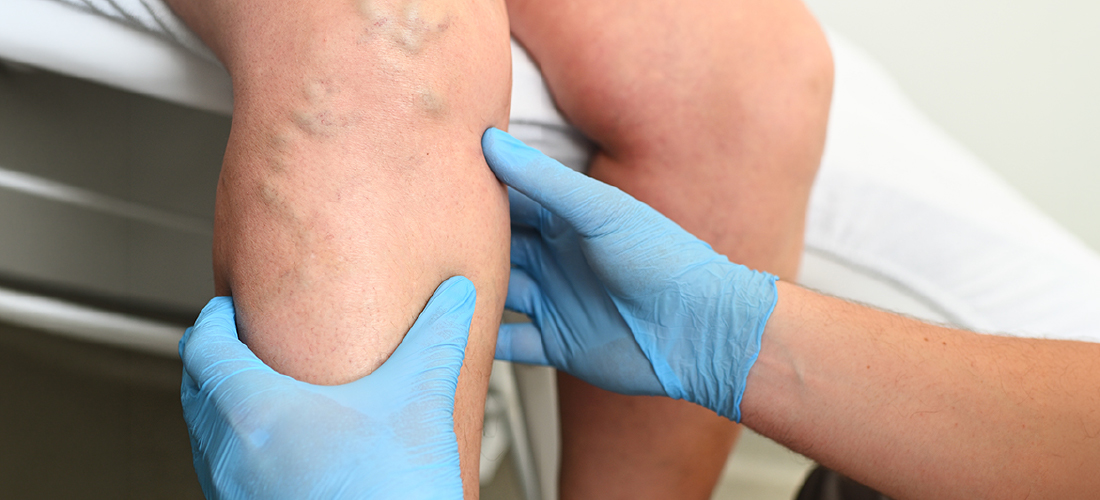
Varicose veins reflect an underlying issue in the venous system, most commonly, faulty valves that disrupt normal blood flow in the legs. Over time, this can lead to symptoms such as heaviness, swelling, aching, skin changes, and in advanced cases, venous ulcers. While many people delay treatment assuming it is either unnecessary or invasive, modern vascular care has evolved significantly. Today, a wide spectrum of safe, effective, and minimally disruptive treatment options is available.
The right treatment depends on multiple clinical factors, including the size and location of affected veins, the presence of venous reflux, symptom severity, and individual health considerations. Understanding the available options is the first step toward making an informed decision.
Are Minimally Invasive Treatments an Option for Me?
Minimally invasive procedures represent the gold standard of modern treatments. They are designed to target diseased veins with precision while preserving surrounding tissue, minimizing discomfort, and reducing recovery time. They are typically performed as outpatient procedures, without the need for general anesthesia or hospital admission.
VenaSeal™ (Glue Ablation)
VenaSeal™ is among the most advanced non-thermal vein closure techniques currently available. The procedure involves delivering a medical-grade cyanoacrylate adhesive into the affected vein through a microcatheter. This adhesive seals the vein shut, redirecting blood flow to healthier veins.
Unlike heat-based methods, VenaSeal™ does not require tumescent anesthesia (multiple injections along the vein), which significantly enhances patient comfort. The absence of thermal energy also reduces the risk of nerve irritation and surrounding tissue damage.
- Best suited for: Larger varicose veins, particularly those associated with saphenous vein reflux
- What to expect: A single, small entry point; the procedure is image-guided and typically completed within 30–60 minutes
- Recovery profile: Minimal discomfort, with most patients resuming normal activities the same day
A notable advantage of VenaSeal™ is that compression stockings may not be required post-procedure in many cases, depending on clinical judgment.
Sclerotherapy
Sclerotherapy remains one of the most widely used treatments for smaller varicose veins and spider veins. The procedure involves injecting a sclerosant solution directly into the affected vein. This solution irritates the vein lining, causing it to collapse and eventually be reabsorbed by the body.
The technique has been refined over decades and continues to be a cornerstone for treating superficial venous disease, particularly when cosmetic outcomes are a primary concern.
- Best suited for: Spider veins, reticular veins, and mild-to-moderate varicose veins
- What to expect: A quick outpatient session involving multiple small injections; no anesthesia is required
- Recovery profile: Minimal downtime; compression stockings are typically advised for a short period
It is important to note that multiple sessions may be necessary to achieve optimal results, especially when treating widespread or recurrent veins.
Perforator Ablation
Perforator veins serve as connectors between the superficial and deep venous systems. When these veins become incompetent, they can contribute to significant clinical symptoms, including persistent swelling, skin thickening, hyperpigmentation, and venous ulcers.
Perforator ablation specifically targets these deeper, dysfunctional veins. Using ultrasound guidance, thermal or chemical energy is delivered precisely to the affected perforator veins, sealing them and addressing the root cause of advanced venous insufficiency.
- Best suited for: Patients with chronic venous insufficiency, especially those with skin changes or non-healing ulcers
- What to expect: A targeted, image-guided procedure focusing on specific incompetent perforators
- Recovery profile: Generally minimal, though it may vary depending on disease severity and the number of veins treated
This procedure is often part of a broader treatment strategy, particularly in patients with complex or advanced disease.
What Are Thermal Ablation Treatments Like?
Thermal ablation techniques are well-established, highly effective treatments for larger veins, particularly those with significant reflux. These methods use controlled heat to close off diseased veins.
Radiofrequency Ablation (RFA)
Radiofrequency ablation uses radiofrequency energy instead of laser energy to achieve a similar outcome. The heat generated causes the vein walls to contract and close.
- Best suited for: Larger veins, especially the great and small saphenous veins
- What to expect: Performed under local anesthesia with image guidance
- Recovery profile: Often associated with less post-procedure discomfort
RFA has strong clinical evidence supporting its safety and long-term efficacy.
Conservative & Non-Surgical Management - Do I Really Need a Procedure, or Can I Manage This Without Surgery?
Not all varicose veins require immediate procedural intervention. In early or mild cases, conservative measures may help manage symptoms and slow progression.
Compression Therapy
Graduated compression stockings apply controlled pressure to the legs, improving venous return and reducing symptoms such as swelling and heaviness.
Best suited for: Early-stage disease, symptom management, or patients not immediately eligible for procedures
Lifestyle Modifications
Certain lifestyle adjustments can support vascular health and alleviate symptoms:
- Regular physical activity to promote circulation
- Leg elevation to reduce venous pressure
- Weight management to decrease strain on the venous system
- Avoiding prolonged standing or sitting
While these measures can provide relief, they do not eliminate existing varicose veins. They are often used as adjuncts rather than definitive treatments.
When Is Surgery Still Necessary for Varicose Veins?
Although less commonly required today, surgical interventions remain relevant in select cases.
Ambulatory Phlebectomy
This technique involves removing surface varicose veins through very small skin incisions. It is typically performed under local anesthesia.
- Best suited for: Bulging surface veins that are not ideal for ablation
- Recovery profile: Quick recovery with minimal scarring
Vein Stripping
Once considered the standard treatment, vein stripping involves surgically removing the affected vein. It is now largely reserved for complex or recurrent cases where minimally invasive techniques are not suitable.
- Best suited for: Select advanced cases
- Recovery profile: Longer recovery time compared to modern alternatives
How These Treatments Compare to Each Other: At a Glance
Choosing between varicose vein treatments becomes easier when you understand how they differ in approach, recovery, and suitability. The table below offers a side-by-side comparison of commonly used options:
| Procedure | Best For | Anesthesia | Downtime | Sessions Needed | Invasiveness Level |
|---|---|---|---|---|---|
| Compression Therapy | Early-stage symptoms, prevention | None | None | Ongoing use | Non-invasive |
| Sclerotherapy | Spider veins, small varicose veins | None | Minimal | Multiple | Minimally invasive |
| VenaSeal™ (Glue Ablation) | Larger veins with reflux | Local | Minimal (same day) | Usually one | Minimally invasive |
| Endovenous Laser Ablation (EVLA) | Large saphenous veins | Local (tumescent) | 1–2 days | One | Minimally invasive |
| Radiofrequency Ablation (RFA) | Large veins, similar to EVLA | Local (tumescent) | 1–2 days | One | Minimally invasive |
| Perforator Ablation | Advanced disease, ulcers, skin changes | Local | Minimal–moderate | One or more | Minimally invasive |
| Ambulatory Phlebectomy | Bulging surface veins | Local | Few days | One | Minor surgical |
| Vein Stripping | Complex or recurrent cases | General/Spinal | 1–2 weeks | One | Surgical |
How Will My Doctor Decide Which Treatment Is Best for Me?
Selecting the most appropriate treatment requires a structured clinical evaluation to identify the underlying cause and severity of venous disease.
A duplex ultrasound is central to diagnosis and treatment planning. This non-invasive imaging test allows specialists to:
- Map the structure of your veins in detail
- Identify areas of venous reflux (backward blood flow)
- Assess vein size, depth, and function
This information is critical in determining whether treatment should target surface veins, deeper veins, or both.
What Factors Affect the Choice of Treatment?
Several clinical and lifestyle factors are considered when recommending a treatment plan:
- Vein size and location - Larger, deeper veins (such as the saphenous vein) often require ablation techniques, while smaller surface veins respond well to sclerotherapy
- Severity of symptoms - Persistent pain, swelling, skin thickening, or ulcers indicate more advanced disease requiring targeted intervention
- Presence of venous reflux - Identifying reflux helps determine whether root-cause treatment (such as ablation) is necessary rather than surface-level correction
- Lifestyle and activity level - Work demands, mobility, and recovery expectations influence the choice of procedure
- Medical history - Prior vein treatments, clotting disorders, and overall health play a role in selecting a safe and effective option
Why Personalization Matters
No two cases of varicose veins are identical. A treatment that works well for one patient may not be appropriate for another with a different vein pattern or symptom profile.
A personalized treatment plan, guided by imaging and clinical evaluation, ensures:
- Effective symptom relief
- Lower risk of recurrence
- Faster recovery aligned with your daily life
Ultimately, the goal is not just to treat visible veins, but to correct the underlying dysfunction and support long-term vascular health.
What to Expect: Before, During & After Treatment
Before treatment: Patients typically undergo a clinical examination and ultrasound assessment. Pre-procedure instructions are minimal and may include avoiding certain medications.
During treatment:
Most procedures are performed under local anesthesia. Patients remain awake and comfortable throughout, with real-time imaging guiding precision.
After treatment:
- Immediate ambulation is encouraged
- Compression stockings may be recommended, depending on the procedure
- Mild bruising or discomfort is common but temporary
- Follow-up visits ensure proper healing and treatment success
Advances in vascular medicine have transformed the treatment landscape for varicose veins. From minimally invasive procedures like VenaSeal™ and sclerotherapy to established thermal ablation techniques, patients today have access to safe, effective, and highly targeted solutions.
The most important step is an accurate diagnosis followed by a treatment plan tailored to individual needs. Early intervention not only improves symptoms but also prevents disease progression and complications.
Why Choose RIVEA For Varicose Vein Treatments
RIVEA is a dedicated center focused exclusively on vascular, endovascular, and interventional radiology care.
Varicose vein treatments at RIVEA are led by Dr. Syed Mohammed Ali Ahmed, a vascular and endovascular surgeon with specialised expertise in venous disease management and minimally invasive vascular interventions. With extensive experience in image-guided procedures for varicose veins and chronic venous insufficiency, Dr. Ali delivers personalised treatment plans focused on symptom relief, improved circulation, and faster recovery.
What sets RIVEA apart:
- Specialised Varicose Vein Expertise – Care led by a dedicated vascular and endovascular surgeon with advanced experience in minimally invasive treatments for varicose veins and chronic venous disease.
- Advanced Imaging Capabilities - High-resolution ultrasound and diagnostic tools enable accurate vein mapping and targeted treatment
- Tailored Treatment Plans - Each approach is customized based on your vein anatomy, symptoms, and overall health
- Minimally Invasive Focus - Most procedures are performed without surgery, allowing reduced discomfort, no hospital stay, and minimal downtime
- Proven Clinical Outcomes - Effective, long-term relief from symptoms such as pain, swelling, and heaviness, along with improved appearance
RIVEA offers a comprehensive, evidence-based approach to the diagnosis and treatment of varicose veins. With a focus on minimally invasive care, treatments are selected based on detailed vascular assessment and aligned with international clinical standards. For individuals experiencing symptoms of varicose veins or seeking clarity on treatment options, a timely consultation can make a significant difference in both comfort and long-term vascular health.
Click here to learn more about:
Varicose Veins
For any inquiries, post your query here:
Ask Rivea
Contact us today to explore your options.
Call Now