The Diet That Supports Vascular Health
Why Diet Matters for Vascular Health
Blood vessels form an extensive network responsible for delivering oxygen and nutrients throughout the body. When this system functions optimally, organs perform efficiently and overall health is maintained. However, when blood vessels become damaged or narrowed, circulation is compromised, usually with widespread consequences.
Vascular health influences not just the heart, but also brain function, kidney health, and limb vitality. Conditions such as hypertension, peripheral artery disease, and coronary artery disease all stem from underlying changes in blood vessels.
Diet plays a central role in maintaining the integrity of this system. It directly influences cholesterol levels, blood pressure, inflammation, and metabolic balance. Over time, these factors determine whether arteries remain flexible and open or become stiff, narrowed, and prone to disease.
Understanding Vascular Health
Healthy arteries are smooth, elastic, and capable of adapting to changes in blood flow. The inner lining, known as the endothelium, allows blood to move freely while also regulating clotting, immune function, and vessel tone.
When vascular health declines, several structural and functional changes occur:
- The arterial walls thicken
- Elasticity is reduced
- The inner lining becomes damaged
This creates an environment where fatty deposits, inflammatory cells, and calcium accumulate forming plaque.
As plaque builds up:
- The diameter of the artery narrows
- Blood flow becomes restricted
- The risk of clot formation increases
Poor vascular health is associated with multiple conditions, including coronary artery disease, peripheral artery disease, and chronic circulation problems. These changes often begin silently and progress over years.
The Connection Between Diet and Vascular Health
Diet is one of the most influential modifiable factors in maintaining healthy blood vessels. It affects several key physiological processes:
- Cholesterol regulation: Diets high in saturated fats and trans fats increase LDL cholesterol, contributing to plaque formation within arterial walls.
- Blood pressure control: Excess sodium intake is strongly linked to hypertension, which places constant stress on vessel walls.
- Inflammation and oxidative stress: Highly processed foods, refined sugars, and unhealthy fats promote chronic inflammation, accelerating vascular damage.
The process begins with injury to the arterial lining. Over time, cholesterol accumulates at these sites, forming fatty streaks that develop into plaques. These plaques can restrict blood flow and impair normal vascular function.
Long-term dietary patterns determine whether this process progresses or stabilizes. Consistent adherence to a vascular-supportive diet can reduce plaque progression, improve endothelial function, and support better circulation.
What Is Atherosclerosis?
Atherosclerosis is the progressive buildup of plaque within arteries and is a key contributor to vascular disease.
This condition develops gradually:
- Fatty deposits accumulate in the arterial wall
- The artery becomes narrowed and stiff
- Blood flow is reduced
Over time, plaques may grow large enough to significantly impair circulation or contribute to clot formation.
Commonly affected arteries include:
- Carotid arteries: Supplying the brain
- Coronary arteries: Supplying the heart
- Peripheral arteries: Supplying the limbs
Atherosclerosis often remains asymptomatic in its early stages, making prevention and early lifestyle modification essential.
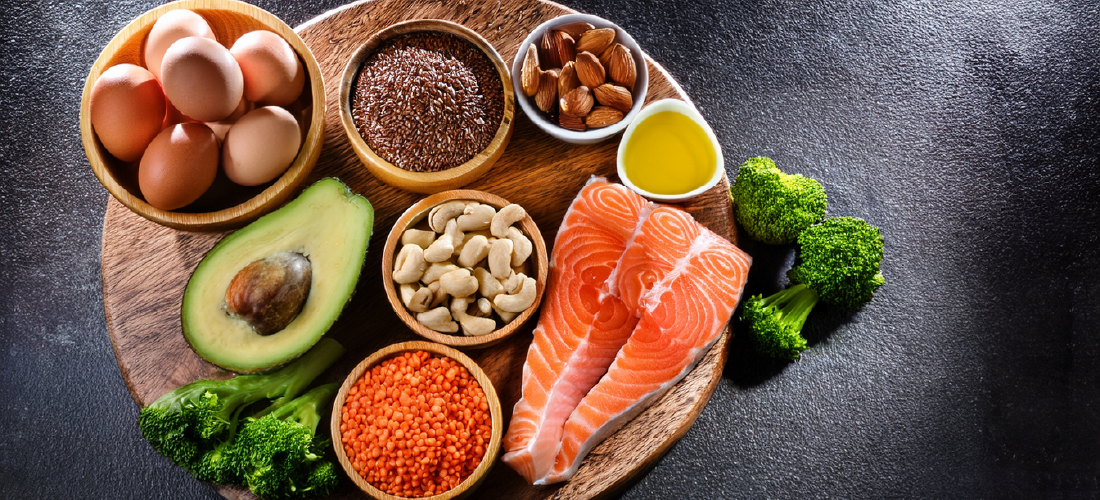
What To Eat for Better Vascular Health
A diet that supports vascular health focuses on reducing harmful lipids, improving endothelial function, and lowering inflammation.
Heart-Healthy Fats
These fats improve lipid profiles and reduce vascular inflammation:
- Olive oil
- Nuts and seeds
- Avocados
- Fatty fish such as salmon, sardines, and mackerel
Omega-3 fatty acids play a key role in maintaining vascular flexibility and reducing inflammation.
High-Fiber Foods
Dietary fiber helps reduce cholesterol absorption and supports metabolic health:
- Oats and whole grains
- Lentils and beans
- Fruits like apples, berries, and pears
- Vegetables such as broccoli, carrots, and spinach
Soluble fiber is particularly effective in lowering LDL cholesterol.
Antioxidant-Rich Foods
Antioxidants protect blood vessels from oxidative damage:
- Berries
- Leafy greens
- Tomatoes
- Green tea
These compounds help preserve endothelial function.
Foods That Help Lower Cholesterol
Certain foods have specific cholesterol-lowering properties:
- Oats and barley
- Nuts
- Plant sterol–fortified foods (milk and yogurts, orange juice, cheese, margarine etc.)
- Soy products
These help reduce the absorption and circulation of LDL cholesterol.
Anti-Inflammatory Foods
Reducing inflammation is key to long-term vascular health:
- Turmeric
- Ginger
- Garlic
- Omega-3-rich fish
These foods contribute to stabilizing plaque and improving vascular resilience.
Foods That Can Worsen Vascular Health
Certain dietary choices accelerate vascular damage and should be limited:
- Processed meats
- Deep-fried foods
- Trans fats (found in packaged snacks and baked goods)
- Excess salt
- Sugary drinks and refined carbohydrates
These foods contribute to elevated cholesterol, increased blood pressure, insulin resistance, and chronic inflammation.
Other Lifestyle Habits That Protect Your Arteries
Diet is most effective when combined with broader lifestyle measures:
- Regular physical activity: Improves circulation and enhances vascular elasticity.
- Weight management: Reduces strain on the vascular system and lowers risk factors.
- Blood pressure control: Prevents long-term damage to arterial walls.
- Smoking cessation: Smoking directly damages blood vessels and accelerates vascular disease.
- Diabetes management: Helps prevent vascular complications associated with high blood sugar.
Together, these interventions create a comprehensive strategy for maintaining vascular health.
When to See a Vascular Specialist
Early evaluation can help detect vascular issues before complications develop. Medical consultation is recommended if you experience symptoms of vascular disease like:
- Leg pain while walking
- Cold or numb extremities
- Slow-healing wounds
- Swelling or visible vein changes
Screening tools such as Doppler ultrasound and vascular imaging can identify early changes in blood vessels and guide timely intervention.
Why RIVEA for Vascular Health
Effective vascular care requires a combination of early diagnosis, risk factor management, and access to advanced, minimally invasive treatments. RIVEA Vascular Institute is designed to deliver this integrated approach.
What sets RIVEA apart:
- Experienced team of vascular and interventional radiology specialists
- Advanced minimally invasive treatments with faster recovery and shorter hospital stays
- Comprehensive care: diagnostics, prevention, and long-term management
- Improved accessibility with high-quality care closer to patients
- Patient-centric approach with personalized treatment and focus on early intervention
By combining clinical expertise with advanced technology and preventive strategies, RIVEA supports better long-term vascular health outcomes.