
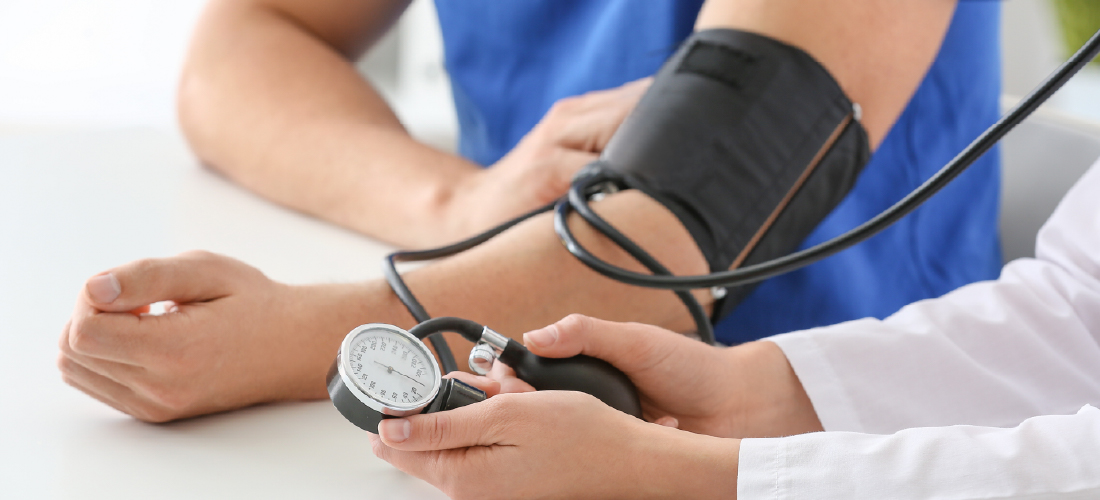
Hypertension (High Blood Pressure)
Hypertension, commonly known as high blood pressure, occurs when blood flows through your arteries with too much force. Most people with this condition experience no warning signs at all, which is why it's often called a "silent" health threat. Left untreated, it can increase your risk of heart attack, stroke, memory problems, and kidney damage. Fortunately, catching it early and managing it well can make a life-changing difference.
Understanding Your Numbers
Blood pressure is recorded as two numbers. The first, or systolic, number reflects the pressure in your arteries each time your heart beats. The second, or diastolic, number shows the pressure in between heartbeats, when your heart is at rest.
Under updated guidelines used in India, high blood pressure is generally defined as a top number of 130 or above, or a bottom number of 80 or above. This condition has become a major public health concern nationally. A 2023 ICMR-INDIAB study reported hypertension prevalence at 35.5% across India, with rates of 38.7% among men and 32.6% among women, and prevalence rising steeply with age, affecting over 66% of people above 60. The condition is now recognized as one of the leading contributors to heart and blood vessel disease nationwide, with a significant and growing share of cases going undiagnosed, especially in rural and semi-urban areas.
Types You Might Encounter
High blood pressure generally falls into two categories:
- Primary – linked mainly to genetics, family background, and age
- Secondary – triggered by an identifiable factor, such as an underlying illness, certain medications, or substance use
Other situational patterns include:
- White coat hypertension – readings spike in a clinical setting but stay normal at home
- Masked hypertension – the reverse, with normal clinic readings but elevated numbers at home
- Sustained hypertension – consistently high everywhere
- Nocturnal hypertension – rises during sleep
Signs to Watch For
Because hypertension rarely produces obvious symptoms, a large share of affected adults in India remain unaware they have it, which is one of the reasons routine screening matters even for people who feel perfectly well. When blood pressure climbs to dangerous extremes, warning signs can include:
- Severe headache
- Chest pain
- Dizziness
- Swelling
- Irregular heartbeat
- Reduced urination
- Seizures
- Vision disturbances
- Confusion
- Stroke-like symptoms such as facial drooping or slurred speech
A reading of 180/120 or higher accompanied by any of these symptoms is a medical emergency. In such a condition, head to the nearest emergency department immediately. During pregnancy, the emergency threshold with symptoms is lower, at 160/110.
What Drives High Blood Pressure
For most people, no single cause is to blame. Instead, a combination of factors contributes, including advancing age, family history, tobacco use (including smokeless tobacco and gutka, common in India), excess weight, a high-sodium diet, insufficient exercise, and heavy alcohol consumption.
Diet plays an outsized role in the Indian context. Sodium intake tends to run high due to liberal use of salt in cooking, along with pickles, papad, namkeen, and packaged/processed foods. Sedentary, desk-based work and rising urban stress levels are also increasingly recognized as contributing factors, particularly in the country's growing urban population.
In some cases, a specific cause can be pinpointed. Conditions like sleep apnea or thyroid disorders, medications used for ADHD or autoimmune disease, or substances such as alcohol, nicotine, or cocaine.
Potential Complications
Over time, unmanaged hypertension can strain the heart and damage blood vessels, potentially leading to irregular heart rhythms, chronic kidney disease, cognitive decline, coronary artery disease, heart attack, heart failure, vision-threatening eye damage, circulation problems in the limbs, erectile dysfunction, or stroke. Cardiovascular disease linked to uncontrolled hypertension remains one of the leading causes of death in India today.
How It's Diagnosed
Doctors typically confirm hypertension after elevated readings appear across two separate visits, with multiple measurements taken each time. Blood pressure is grouped into categories that help guide treatment:
| Category | Systolic (top) | Diastolic (bottom) | |
|---|---|---|---|
| Normal | Below 120 | and | Below 80 |
| Elevated | 120–129 | and | Below 80 |
| Stage 1 | 130–139 | or | 80–89 |
| Stage 2 | 140 or higher | or | 90 or higher |
| Severe | 180 or higher | or | 120 or higher |
| Emergency (with symptoms) | 180 or higher | or | 120 or higher |
Sometimes only one number is elevated. A top number in hypertensive range with a normal bottom number is known as isolated systolic hypertension (more common with age), while the reverse pattern is called isolated diastolic hypertension (more common in younger adults).
Treatment Approaches
Managing high blood pressure usually combines medication with lifestyle adjustments. Common medication classes include diuretics, beta-blockers, calcium channel blockers, ACE inhibitors, and ARBs, many of which are widely available and affordable through government health schemes and generic drug programs across India. The right combination depends on your individual readings and health history.
Lifestyle strategies that help lower blood pressure, adapted for Indian dietary and lifestyle patterns, include:
- Maintaining a healthy weight
- Choosing a nutrient-rich eating pattern built around whole grains (millets, brown rice), dals, vegetables, and fruit, while cutting back on deep-fried and processed foods
- Reducing sodium intake by being mindful of salt added during cooking, plus hidden sodium in pickles, papad, chutneys, and packaged snacks
- Increasing potassium-rich foods like bananas, coconut water, and leafy greens
- Getting regular physical activity through walking, yoga, or other moderate exercise for about 150 minutes a week
- Quitting tobacco use, including smokeless forms like gutka and khaini
- Limiting alcohol intake
These same habits can also help prevent hypertension from developing in the first place, and align with efforts like the government's India Hypertension Control Initiative, which has been working to expand screening and treatment access nationally.
Living With Hypertension
Ongoing management involves taking medications as prescribed, following recommended lifestyle changes, monitoring blood pressure at home with a validated device, and keeping your care team updated on any health changes. Regular check-ins with a physician help ensure treatment stays on track.
Primary hypertension typically requires lifelong management, while secondary hypertension may improve or resolve once its underlying cause is treated. This condition often causes no noticeable symptoms until damage has already occurred, so routine BP checks — even for people who feel healthy — remain one of the most important tools for catching it early and protecting long-term heart and artery health.
Why Choose RIVEA for Hypertension Care
- A dedicated Cardiac Clinic offering advanced screening, risk assessment, and specialist-led management focused on long-term cardiovascular health.
- NABH-accredited care with world-class imaging, including India's first GE Allia IGS 7 system, supporting precise diagnosis of hypertension-related vascular damage where needed.
- A patient-first, personalized approach where your treatment plan is built around your specific risk factors, lifestyle, and long-term goals, with direct access to specialist care from consultation through follow-up.
Click here to learn more about:
Endovascular Aortic Repair (EVAR)
For any inquiries, post your query here:
Ask Rivea
Contact us today to explore your options.
Call Now