Walk Without Heel Pain Again
Find relief from stabbing morning pain, stiffness, and mobility limitations with RIVEA’s non-surgical, image-guided solutions.
Plantar fasciitis is one of the leading causes of heel pain in India, especially in adults over 40, working professionals who stand long hours, runners, and individuals with improper footwear.
At RIVEA, Hyderabad, advanced, image-guided, minimally invasive treatments can help you regain mobility and comfort without surgical cuts, general anaesthesia, or hospital stay.
Understanding the Root Cause of Heel Pain
What is Plantar Fasciitis?
Plantar fasciitis is inflammation of the plantar fascia, a thick, fibrous band that runs from the heel to the toes and supports your foot’s arch.
When this fascia is overstretched or repeatedly strained, tiny microtears occur, leading to swelling and pain. Most people feel it in one foot, but both feet can be affected.
In India, plantar fasciitis is very common among teachers, police personnel, retail workers, factory workers, homemakers, and runners due to prolonged standing and hard surfaces.
Common Symptoms of Plantar Fasciitis

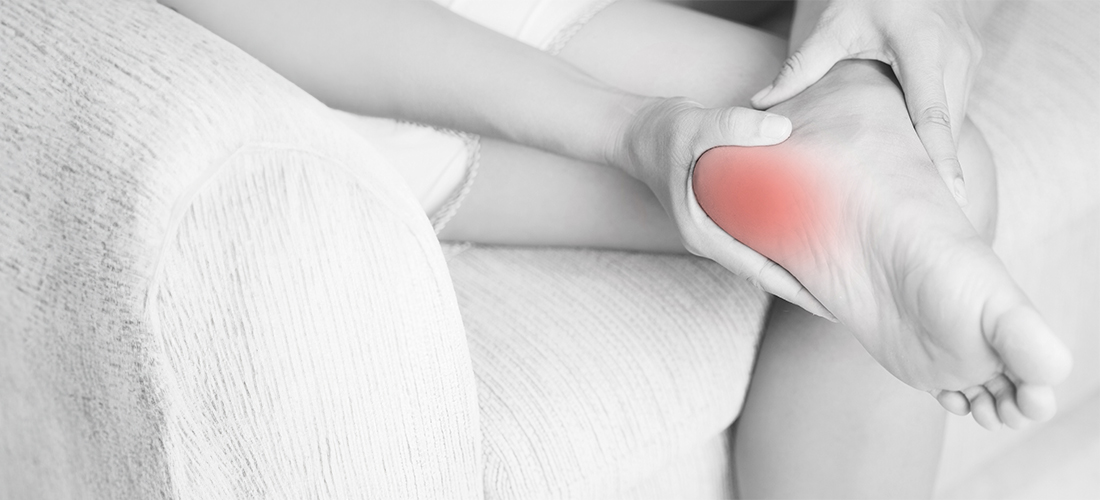
Sharp, stabbing heel pain (especially with first steps in the morning)

Pain after long standing or walking

Stiffness in the arch or heel

Pain worse barefoot or on hard floors

Tenderness at the bottom of the heel

Pain that improves with activity but returns after rest
Ignoring these signs can lead to chronic heel pain, altered gait, knee strain, and lower-back discomfort.
What Causes Plantar Fasciitis?
Lifestyle & Activity Triggers
- Standing or walking long hours for work
- Running, jumping, high-impact sports
- Hard flooring at home or workplace
- Wearing flat or unsupportive footwear
- Walking barefoot frequently
- Poor warm-up or stretching habits
Foot & Health-Related Factors
- Flat feet or high arches
- Sudden weight gain
- Tight calf or Achilles tendon
- Ageing (reduced elasticity of the fascia)
Diagnosis at RIVEA
Most patients can be diagnosed with a simple clinical examination. If needed, we may use:
- Ultrasound to assess fascia thickness
- X-ray to detect heel spurs
- MRI if another condition needs to be ruled out
Advanced Minimally Invasive Treatment Options at RIVEA
At RIVEA, we use image-guided, minimally invasive techniques to ease inflammation, reduce pain, and restore foot mobility without open surgery. While most individuals improve with conservative treatments (rest, footwear correction, physiotherapy), 10–15% continue to experience persistent or severe symptoms lasting over 6 months.
For these chronic cases, RIVEA offers a cutting-edge solution with the minimally invasive Plantar Fasciitis Embolization.
Plantar Fasciitis Embolization (PFE)
A minimally invasive, outpatient procedure for chronic plantar fasciitis not responding to conventional care.
PFE works by blocking the abnormal tiny blood vessels that contribute to persistent inflammation in the plantar fascia.
How Minimally Invasive Treatment Works
How the Procedure Works
- Performed under local anaesthesia
- A tiny catheter is inserted through a small puncture near the ankle or wrist
- Guided by real-time ultrasound and X-ray imaging
- Micro-embolic agents are released to reduce blood flow to the inflamed area
- Normal vessels and tissue remain unaffected
- Patients typically walk immediately and go home the same day
Recovery Timeline for Plantar Fasciitis Treatment
- Most resume routine activities in 1–3 days
- Pain relief often begins within days to weeks
- Maximum improvement occurs over 4–12 weeks
Why Choose a Non-Surgical Option?
- No incision, stitches, or hospital stay
- Can walk immediately after the procedure
- Minimal pain and very low complication rate
- Faster recovery compared to surgery
- Excellent option when physiotherapy, medications, or injections have failed
- Preserves the natural structure of the foot
Ideal candidates include individuals with chronic heel pain lasting 6+ months, morning stiffness, and imaging showing chronic fascia thickening or heel spurs.
Comparison of Treatment Options
| Feature | PFE | Surgery (Plantar Fasciotomy) | Physical Therapy | Steroid Injections |
|---|---|---|---|---|
| Invasiveness | Minimally invasive | Invasive | Non-invasive | Minimally invasive |
| Recovery Time | 1–3 days | 4–6 weeks | Ongoing | Temporary relief |
| Effectiveness | High for chronic cases | Moderate–high | Good for early cases | Short-term |
| Risks | Low | Moderate (nerve injury, arch collapse) | None | Tendon weakening |
| Setting | Outpatient | Hospital | Clinic | Clinic |
What to Expect on the Day of the Procedure
Before
- Brief evaluation by our interventional radiologist
- Ultrasound/X-ray mapping of the affected area
During
- 30–60 minute procedure
- Local anaesthesia only
- No stitches or cuts
- Real-time imaging ensures precision
After
- Same-day discharge
- Resume light activity in 24–48 hours
- Physiotherapy if needed
Why Choose RIVEA for Plantar Fasciitis Care?
Performed by Dr. Arjun Reddy
One of Hyderabad’s leading interventional radiologists.
State-of-the-art Allia IGS 7 (GE HealthCare)
- Next-generation imaging for unmatched precision
- Lower radiation and contrast dose
- Robotic, fully mobile system for smooth workflow
- Hybrid-OR ready technology
Expertise Across Embolization Treatments
Our team performs embolization for:
- Foot & ankle pain
- Knee osteoarthritis
- Frozen shoulder
- Thyroid, prostate, uterus, kidney, liver, and more
This broad experience ensures safe handling of even complex cases.
Patient-Centric Care
Comfortable outpatient setting, quick discharge, and personalised rehabilitation plans.
Pain-Free Steps Start Here — RIVEA’s Solution for Painful Steps
Chronic heel pain doesn’t have to dictate how you walk, move, or live. With advanced plantar fasciitis embolization, world-class imaging, and dedicated interventional radiology expertise, RIVEA offers effective non-surgical pathways to pain-free mobility.
Book your plantar fasciitis consultation at RIVEA Vascular Institute, Hyderabad.