
Treating the brain and spine through a single blood vessel.
Neurointervention replaces open surgery with catheter-guided treatment, reaching strokes, aneurysms, and vascular malformations from inside the bloodstream. Through a small access point at the wrist, specialists can diagnose and treat complex conditions of the brain and spine without traditional open surgery.
Our Approach
Why timing and precision matter here.
The brain and spine control nearly everything that makes daily life possible, including movement, memory and independence. So when something goes wrong inside one of their blood vessels, the speed and precision of treatment matter enormously. Our aim at RIVEA is ultimately to protect the function, independence, and confidence of our patients.
With Dr. Kesha Meghashyam, RIVEA brings dedicated expertise in neuroimaging and neurointerventional radiology, backed by advanced subspecialty training from PGIMER, Chandigarh. His practice focuses on the diagnosis and minimally invasive treatment of disorders affecting the blood vessels of the brain and spine, combining real-time imaging with catheter-based techniques that can often replace traditional open surgery.
With particular experience in mechanical thrombectomy for acute stroke, endovascular treatment of brain and spinal vascular malformations, and transradial neurointerventional techniques, Dr. Meghashyam manages a broad range of time-sensitive and complex neurovascular conditions. His expertise across both diagnostic imaging and intervention enables RIVEA to provide precise, patient-centred care designed to improve outcomes while supporting faster recovery and long-term neurological health.
Looking for information on...
What neurointervention treats
From emergency stroke care to planned treatment of vascular disorders, neurointervention covers a wide range of conditions affecting the blood vessels of the brain and spine.
1. Stroke & Vascular Emergencies
2. Aneurysms & Vascular Malformations
3. Narrowed & Diseased Vessels
4. Tumors, Trauma & Spine
Every Minute Counts in a Stroke
For every minute a clot blocks blood flow to the brain, brain tissue is majorly affected. Recognizing symptoms early and reaching a centre equipped for advanced stroke treatment without delay can significantly influence recovery.

F
Face drooping on one side
A
Arm weakness or numbness
S
Speech becomes slurred or difficult

T
Time to call emergency services
Expert care for complex brain and neurovascular conditions.
Schedule a consultation with our specialist.
Dr. Kesha Meghashyam
D.M. Neuroimaging & Intervention Neuroradiology | Consultant Interventional Neuroradiologist
Consultant Interventional Neuroradiologist
Dr. Kesha Meghashyam is a specialist in transradial neurointervention, mechanical thrombectomy for acute stroke, and endovascular AVM management. With over six years of experience in minimally invasive neurovascular care, his expertise brings a dedicated cerebrovascular dimension to RIVEA, ensuring patients with the most complex neurovascular conditions receive world-class care.
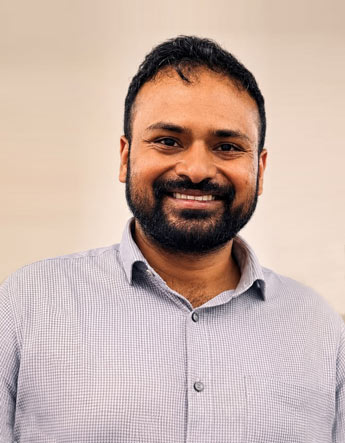
Dr. Kesha Meghashyam
MBBS, M.D. (Radiodiagnosis), D.M. (Neuroimaging & Interventional Neuroradiology)
Why RIVEA
A program built around precision and speed
Subspecialty-trained expertise
Advanced neurointerventional training dedicated to complex cerebrovascular care.
Minimally invasive first
Catheter-based approaches are considered whenever appropriate.
Transradial-focused approach
Wrist access is integrated into our treatment philosophy.
Rapid-response pathways
Designed for urgent conditions including stroke and brain hemorrhage.