Lymphedema Treatment – How to Manage Symptoms
Can Lymphedema Be Treated? What Is the Goal of The Treatment?
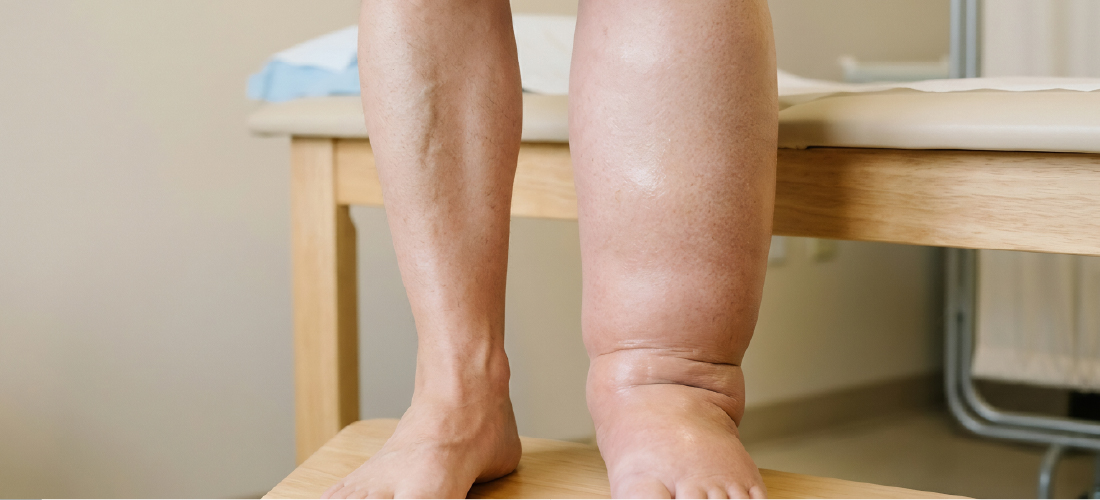
One of the most common misconceptions about lymphedema is that nothing can be done once swelling develops. In reality, while the underlying problem within the lymphatic system often cannot be completely reversed, there are effective treatments that can reduce swelling, improve limb function and lower the risk of complications.
The earlier treatment begins, the better the chances of preventing long-term changes in the tissues. For the most part, a combination of specialised therapy, compression, exercise and ongoing self-care can keep symptoms well controlled and allow them to continue their normal daily activities.
Lymphedema is a long-term condition that develops when the lymphatic system is unable to drain lymph fluid effectively. But still, there is a great deal that can be done to prevent the condition from progressing.
This guide explains the treatment options available for lymphedema, how they work and what to expect during long-term management.
Understanding the Two Phases of Treatment
Lymphedema treatment is usually approached in two stages.
The first stage focuses on reducing swelling and improving lymphatic drainage. Depending on the severity of the condition, this may involve regular sessions with a certified lymphedema therapist who uses a combination of specialised techniques to move fluid out of the affected area and improve lymphatic flow. The goal during this phase is to reduce the volume of swelling as much as possible and restore function.
Once swelling has stabilised, treatment moves into a maintenance phase. This is often where long-term success is determined. The focus shifts from reducing swelling to preventing it from returning. Compression garments, regular exercise, good skin care and ongoing self-management become part of daily life, helping preserve the improvements achieved during treatment.
Although lymphedema requires ongoing attention, patients often are able to keep symptoms well controlled and continue their normal activities with the right treatment plan.
How Early Treatment Makes a Difference
One of the challenges with lymphedema is that symptoms often develop gradually, but when swelling persists for long periods, the tissues can gradually become thicker and firmer as fibrosis develops. These changes can make the condition more difficult to treat and may reduce the effectiveness of conservative therapies. Early intervention helps address fluid accumulation before these long-term changes occur and can lower the risk of complications such as cellulitis.
Anyone who has undergone lymph node surgery, radiation therapy or treatment for cancer should be aware of persistent swelling, heaviness or tightness in an arm or leg and seek evaluation if symptoms develop.
Complete Decongestive Therapy (CDT)
Complete Decongestive Therapy (CDT) is widely regarded as the standard treatment for lymphedema and forms the foundation of care for most patients. Rather than relying on a single treatment, CDT combines several therapies that work together to reduce swelling and improve lymphatic drainage.
One component is Manual Lymphatic Drainage (MLD), a specialised hands-on technique performed by trained therapists. Unlike traditional massage, MLD is designed specifically to encourage lymph fluid to move toward healthy drainage pathways within the body.
Compression therapy is equally important. During the intensive phase of treatment, multilayer compression bandaging may be used to reduce swelling. Once the swelling has improved, patients are typically fitted with compression garments to help maintain these results and prevent fluid from accumulating again.
Exercise forms another essential part of treatment. Gentle, structured movement activates the muscles, which naturally assist the movement of lymph fluid through the lymphatic system. Alongside these therapies, careful attention to skin and nail care helps protect against infection, a complication that can significantly worsen lymphedema if left untreated.
Together, these components form the foundation of care for most patients.
Compression Garments
Following the intensive phase of treatment, most people are advised to wear a compression garment during the day to help maintain the reduction in swelling.
Compression garments play a central role in maintaining those improvements. By applying consistent, controlled pressure to the affected limb, they help prevent fluid from collecting in the tissues and support ongoing lymphatic drainage throughout the day.
Compression garments are available in different styles and compression strengths, and the most appropriate choice depends on the location and severity of swelling, as well as the individual's lifestyle and daily activities. Some people can use ready-made garments, while others benefit from custom-made options that provide a more precise fit.
A well-fitted garment is essential. If it is too loose, it may not provide adequate support. If it is too tight, it can cause discomfort or interfere with circulation. Because compression materials gradually lose elasticity with regular use, garments usually need replacement every few months to remain effective.
When Are Pneumatic Compression Devices Used?
Some patients may benefit from intermittent pneumatic compression devices as part of a comprehensive treatment plan.
These devices use inflatable sleeves that fit around the affected limb and apply pressure in a controlled sequence, helping move fluid toward healthier drainage pathways. They are not typically used as a substitute for Complete Decongestive Therapy but may provide additional support for people who continue to experience swelling despite standard treatment or who require help maintaining results between clinic visits.
The decision to use a pneumatic compression device depends on the individual's symptoms, stage of lymphedema and overall treatment goals, and should be guided by a healthcare professional experienced in lymphedema management.
Exercise and Rehabilitation
Regular movement encourages lymphatic flow, helps maintain joint mobility and improves muscle strength, all of which contribute to better limb function and overall quality of life.
A rehabilitation programme may include stretching exercises, range-of-motion exercises and gradually progressive strength training. Walking, cycling and swimming are commonly recommended because they provide cardiovascular benefits while placing relatively little stress on the joints. Some people also find aquatic therapy helpful, as the natural pressure of water provides gentle compression while allowing comfortable movement.
The most effective exercise programmes are individualised and introduced gradually, taking into account the person's symptoms, physical condition and treatment goals.
Surgical Treatment Options
For some people, conservative treatment alone may not provide adequate symptom control. In these situations, surgery may be considered after a thorough assessment by a specialist with experience in lymphatic disorders. The type of procedure depends on the stage of lymphedema, the condition of the lymphatic vessels and the patient's overall health.
One option is Lymphaticovenous Anastomosis (LVA), a microsurgical procedure that connects functioning lymphatic vessels directly to nearby veins. By creating alternative drainage pathways, LVA can help reduce swelling in selected patients, particularly in earlier stages of the disease.
Another approach is Vascularised Lymph Node Transfer (VLNT), which involves transferring healthy lymph nodes from one part of the body to another. Over time, these lymph nodes may help improve lymphatic drainage and restore some lymphatic function.
In more advanced cases, long-standing swelling can lead to significant fibrosis and enlargement of the affected limb. For selected patients, debulking procedures that remove excess tissue may improve limb size, comfort and function.
These procedures are generally reserved for people whose symptoms persist despite appropriate non-surgical treatment.
When developing a treatment plan, specialists consider the severity of swelling, how long symptoms have been present, whether skin changes or fibrosis have developed, the underlying cause of the condition and the individual's overall health and daily activities.
For most patients, treatment begins with conservative measures such as Complete Decongestive Therapy and compression therapy. Surgery is typically considered only after these approaches have been fully explored. Regular follow-up remains important because treatment often needs to be adjusted as symptoms change over time.
Long-term Management & Living Well With Lymphedema
Managing lymphedema is an ongoing process that continues even after swelling has improved. Wearing compression garments as prescribed, maintaining a regular exercise routine and practising good skin care all help reduce the likelihood of swelling returning.
Maintaining a healthy body weight and avoiding injuries to the affected limb can further lower the risk of complications. Regular follow-up appointments allow your healthcare provider to monitor your progress, while any increase in swelling, redness, warmth, pain or fever should be assessed promptly, as these may indicate infection or worsening lymphedema.
Why choose RIVEA for lymphedema care?
At RIVEA Vascular Institute, lymphedema care is led by Dr. Syed Mohammed Ali Ahmed, Chief Vascular Surgeon, one of the few surgeons in India with dedicated training in lymphatic disease surgery. With advanced expertise gained in India and Singapore, he specialises in the diagnosis and management of complex lymphatic disorders, combining evidence-based treatment with personalised care. Whether lymphedema develops after breast cancer treatment or from other causes, patients at RIVEA benefit from specialised vascular expertise and a comprehensive approach focused on improving long-term quality of life.
Click here to learn more about:
Lymphedema
For any inquiries, post your query here:
Ask Rivea
Contact us today to explore your options.
Call Now