
What is lymphedema?
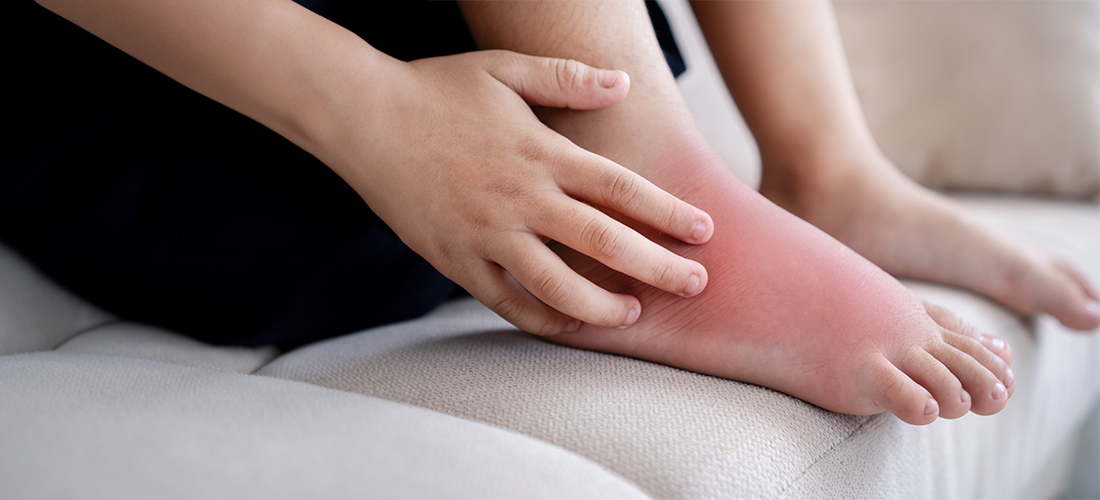
Lymphedema is a long-term condition where extra fluid builds up in your tissues because the lymphatic system isn’t draining properly. This leads to swelling, most often in the arms or legs, but sometimes in other areas too.
It can occur after surgery, trauma, radiation therapy, certain medical conditions or, rarely, without a known cause.
Common symptoms
Lymphedema may start subtly and become more noticeable over time. You may experience:

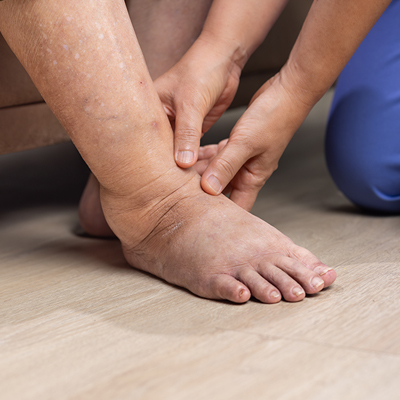
Persistent or sudden swelling

Fullness, heaviness, or tightness in the limb

Puffiness or redness of the skin

Thickened skin over time

Joints feeling stiff or less flexible

Clothes, shoes, or jewelry feeling unusually tight

Burning, itching, or discomfort
Visible differences in limb size

Reduced visibility of veins or tendons in hands and feet
Causes
Congenital lymphedema accounts for approximately 10–25% of all primary lymphedema cases. The condition may be present at birth or develop within the first year of life. Females are affected about twice as often as males, and the lower extremities are involved nearly three times more frequently than the upper extremities.
Lymphedema can develop due to:
- Breast or pelvic surgery involving lymph node removal
- Radiation therapy, which may scar or block lymphatic vessels
- Trauma or injury to lymphatic channels
- Infections that damage lymphatic drainage, such as filariasis, a mosquito-borne nematode infection caused by the parasite Wuchereria bancrofti.
- Obesity, which puts extra pressure on lymph nodes and vessels
- Lack of activity, affecting lymph flow
- Tumors that block lymphatic pathways
- Heart or kidney conditions that cause fluid retention
- Chronic vascular issues affecting fluid balance
Diagnosis
To determine the cause of swelling and assess lymphatic function, your clinician may recommend the following tests:
- Doppler ultrasound – Evaluates blood flow and helps rule out venous conditions such as blood clots.
- CT or MRI scan – Provides detailed cross-sectional images to identify structural causes of swelling, including compression or obstruction of lymphatic vessels.
- Certain blood tests – Performed to look for an underlying infective or inflammatory cause contributing to lymphatic damage.
- Lymphoscintigraphy – A specialized nuclear imaging test that provides detailed visualization of lymphatic channels. It helps define lymphatic anatomy and patency, assess lymph flow dynamics and reversal of flow, and determine the severity of lymphatic obstruction.
- Lymphangiography – An advanced imaging technique used to directly visualize lymphatic vessels, often helpful in complex cases or when planning surgical or interventional treatment.
Why screen early?
- Early swelling is easier to control before the skin and tissues become firm.
- Timely treatment lowers the risk of infections and long-term complications.
- Early intervention helps preserve mobility, comfort, and limb shape.
- Screening also identifies underlying causes such as vascular issues or post-surgical changes that may need attention.
Stages of lymphedema
- Stage 0: Feeling of heaviness or tightness, no visible swelling
- Stage I: Swelling that improves with elevation
- Stage II: Persistent swelling; skin may feel firmer
- Stage III: Marked swelling with wart like growths and skin changes in colour or texture
Treatment Options
Treatment focuses on reducing swelling, preventing complications, and improving comfort. Depending on severity, options may include:
Conservative/Physical Treatments
- Compression garments (sleeves, socks, wraps) to move fluid out of tissues
- Manual lymphatic drainage (MLD) – gentle massage performed by trained therapists
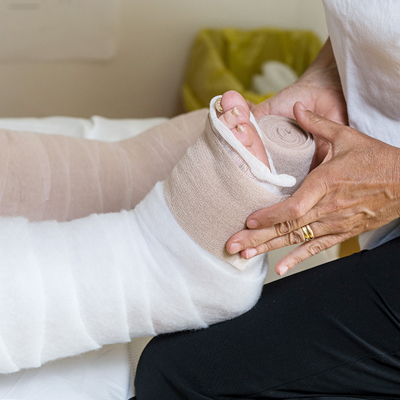
- Multilayer compression bandaging after MLD
- Compression pump devices to keep fluid moving
- Elevation of swollen limbs
- Exercise to stimulate lymph flow
- Pharmacological Therapy - Medications may be prescribed to treat an underlying cause such as infection or inflammation that is contributing to lymphatic damage. While medicines do not cure lymphedema, they play an important role in managing associated conditions and preventing progression.
Advanced Surgical Treatments (for severe cases)
- Lymphatic bypass – rerouting lymph vessels into veins
- Lymph node transfer – replacing damaged nodes with healthy ones
- Debulking procedures – removing excess tissue in advanced stages
Why Choose RIVEA for Lymphedema Treatment
RIVEA’s surgical expertise is led by Dr. Syed Ali, a specialist trained in Singapore, with an MCh in Vascular Surgery from a leading government institute in Madurai. He is highly regarded for his skill in complex open vascular and lymphatic surgeries and is among the very few surgeons in India with dedicated expertise in lymphatic disease surgery.
At RIVEA, patients can expect:
- Detailed evaluation using advanced imaging
- A tailored treatment plan based on the severity and progression of your condition
- Guidance on lifestyle care and long-term symptom control
- Access to surgical options when suitable and necessary
Living with lymphedema can affect your physical comfort and emotional wellbeing, but timely care can make a meaningful difference. Small everyday changes including healthy habits, gentle exercise, and proper limb care can greatly improve symptoms. Your healthcare provider can guide you with treatments that help you feel better and stay in control.
If swelling or discomfort is affecting your routine, don’t wait.
Seek early care and find the support you need to manage lymphedema confidently.
FAQs
What is lymphedema?
Lymphedema is a chronic condition caused by a buildup of lymph fluid in the body's tissues, usually in an arm or leg. It happens when the lymphatic system can't drain fluid properly, leading to swelling that develops gradually and doesn't go away on its own.
What does lymphedema do to the body?
As fluid builds up, the affected limb becomes swollen, heavy, and tight. The skin may thicken or harden, movement can become more difficult, and the area becomes more prone to infection.
What are the signs of lymphedema?
Common signs include swelling in an arm or leg, a feeling of heaviness or tightness, reduced range of motion, aching or discomfort, and skin that feels firmer than usual. Symptoms often start mild and worsen gradually.
Is lymphedema serious?
Lymphedema isn't typically life-threatening, but it's a chronic condition that can significantly affect quality of life if left untreated. Without management, it can lead to infection, skin changes, and reduced mobility.
What are the different types of lymphedema?
There are two main types: primary lymphedema, which is present from birth or develops due to genetic factors, and secondary lymphedema, which develops as a result of damage to the lymphatic system from another cause, such as surgery or infection.
What is primary lymphedema?
Primary lymphedema is a rare condition caused by the lymphatic system not developing properly. It can appear at birth, during puberty, or later in adulthood, depending on the underlying genetic cause.
What is secondary lymphedema?
Secondary lymphedema is the more common form and develops when the lymphatic system is damaged or blocked often due to surgery, radiation treatment, infection, or injury.
Is lymphedema a form of cancer?
No. Lymphedema is not cancer, though it's frequently linked to cancer treatment like breast cancer treatments, since procedures like lymph node removal or radiation therapy can damage the lymphatic system and trigger the condition.
Can lymphedema be cured?
There's currently no cure for lymphedema, but it can be effectively managed. With the right treatment plan, many people are able to reduce swelling, prevent complications, and maintain a good quality of life.
What should I expect long-term?
Lymphedema is a lifelong condition that requires ongoing management. With consistent care, most people are able to keep symptoms under control, though flare-ups can happen, especially without regular maintenance.
How can I reduce my risk?
Protecting the affected or at-risk limb from injury, maintaining a healthy weight, staying active, and treating infections promptly can all help reduce the risk of developing or worsening lymphedema.
How can I protect against infections?
Keep the skin clean and moisturized, treat cuts or scrapes promptly, avoid tight clothing or jewelry on the affected limb, and watch for signs of infection like redness, warmth, or fever. Seek care quickly if these signs appear.
What lifestyle changes can help with daily management?
Daily management often includes compression garments, skin care, staying active, and monitoring the affected area for changes. Small, consistent habits make the biggest difference over time.
What kind of exercise regimen should I follow?
Gentle, low-impact, regular movement such as walking, swimming, or light strength training can help promote lymph flow. It's best to work with a specialist to build a routine suited to your specific condition and any physical limitations.
What kind of diet should I follow?
There's no single required diet, but maintaining a healthy weight, staying hydrated, and eating a balanced, low-sodium diet can help reduce fluid retention and support overall management.