RIVEA Lymphedema Clinic is a dedicated clinic in Hyderabad for the evaluation and treatment of lymphedema. Our specialised care covers the different stages and causes of lymphedema, with patients having access to lymphatic medicine, vascular surgery / plastic & reconstructive microsurgery, and rehabilitation.
Lymphedema can have different causes and can affect people in different ways. Our approach begins with understanding why the swelling has developed and how advanced the condition is. Where needed, lymphatic imaging can provide additional information to help guide treatment. Depending on your condition, treatment may include compression and rehabilitation, image-guided procedures, or lymphatic surgery.
We care for patients with persistent swelling following cancer treatment or surgery, primary or congenital lymphedema, and more advanced lymphedema where surgical treatment may be appropriate.
The clinic also has access to ICG fluorescence lymphography platform, which provides real-time visualisation of superficial lymphatic vessels. This imaging supports the assessment of lymphatic function and surgical planning for procedures such as Lymphovenous Anastomosis (LVA) and Vascularized Lymph Node Transfer (VLNT), when clinically appropriate.
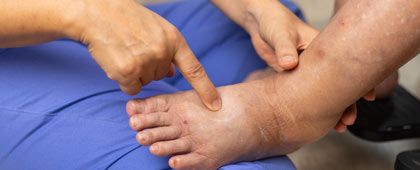
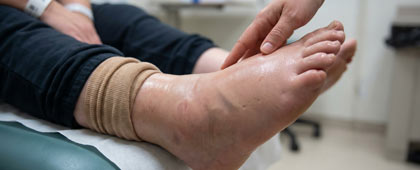
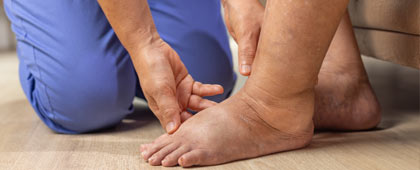
Your lymphatic system helps drain fluid from tissues and return it to the bloodstream. When lymphatic vessels are damaged, blocked or underdeveloped, fluid can accumulate in the tissues, causing persistent swelling.
Untreated lymphedema can gradually lead to tissue thickening, fibrosis and an increased risk of infection. Early assessment can help determine the cause and the most appropriate way to manage it.
Do any of these apply to you?
Persistent swelling in an arm or leg
Heaviness, tightness or fullness
Skin that feels thickened or harder
Rings, watches or shoes fitting tighter
Difficulty moving the affected limb
Recurrent skin infections
Your lymphatic system helps drain fluid from tissues and return it to the bloodstream. When lymphatic vessels are damaged, blocked or underdeveloped, fluid can accumulate in the tissues, causing persistent swelling.
Untreated lymphedema can gradually lead to tissue thickening, fibrosis and an increased risk of infection. Early assessment can help determine the cause and the most appropriate way to manage it.
Know more about lymphedema
Recognise the Signs
Do any of these apply to you?
Persistent swelling in an arm or leg
Heaviness, tightness or fullness
Skin that feels thickened or harder
Rings, watches or shoes fitting tighter
Difficulty moving the affected limb
Recurrent skin infections
If you are experiencing these symptoms, talk to a specialist today.
Lymphedema can range from lymphatic dysfunction to swelling and significant tissue changes. Your stage, cause and duration help determine which treatment approach is appropriate.
| Stage | What it looks like |
|---|---|
| Stage 0 (Latent) | The lymphatic system is impaired, but visible swelling may not yet be present. |
| Stage 1 (Mild) | Soft swelling is present and may reduce with rest and elevation. |
| Stage 2 (Moderate) | Swelling becomes persistent, progressive tissue and skin changes. |
| Stage 3 (Advanced) | Significant swelling, tissue thickening and changes in limb shape may occur. |
A precise diagnosis comes before treatment. The first step is understanding why the swelling is occurring, how advanced it is and how the lymphatic system is functioning.
Your assessment may include:
Clinical Examination - Assessment of the affected limb, skin and tissue changes, medical history and previous treatment.
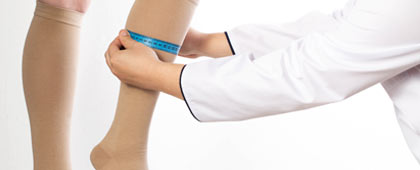
Limb Measurement - Measurements help assess the extent of swelling and track changes during treatment.
ICG Fluorescence Lymphography - Helps visualise superficial lymphatic vessels and identify areas of impaired lymphatic drainage.
Lymphoscintigraphy - A functional imaging test used to assess lymphatic drainage and identify abnormalities in lymphatic flow.
MRI Lymphangiography - Provides detailed imaging of lymphatic anatomy and surrounding tissues when required.
Doppler / Ultrasound - Used where appropriate to assess blood flow and rule out other causes of limb swelling.
Treatment for lymphedema is designed around your health requirements. Depending on the cause, stage and condition of your lymphatic system, treatment may focus on controlling swelling, improving drainage, restoring lymphatic flow or reducing excess tissue.
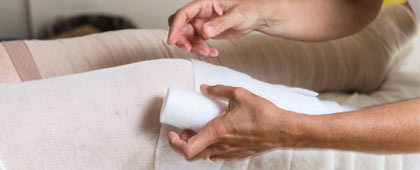
Complete Decongestive Therapy
Compression, lymphatic drainage, movement and skin care combined to control swelling.
Reduces swelling, maintains limb function
Learn More
Compression Therapy
Specialised garments or bandaging to control fluid build-up and hold limb volume steady.
Supports long-term management
Learn More
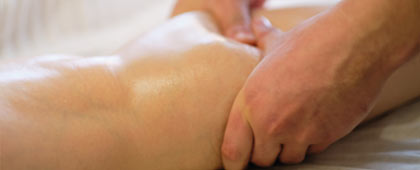
Manual Lymphatic Drainage
A specialised technique that encourages fluid movement through remaining drainage pathways.
Supports drainage, reduces fluid
Learn More
Physiotherapy & Movement
Targeted exercise to support lymphatic flow, mobility and muscle function.
Maintains movement long-term
Learn More
Skin & Infection Care
Protective skin care, since lymphedema raises the risk of breakdown and infection.
Protects skin, reduces complications
Learn More
Lymphovenous Bypass (LVA)
Connects functioning lymphatic vessels to small veins, creating a new drainage route.
For selected patients with suitable vessels
Learn More
Vascularized Lymph Node Transfer (VLNT)
Healthy lymph nodes, with their blood supply, are transferred to help re-establish drainage.
For damaged or absent lymphatic pathways
Learn More
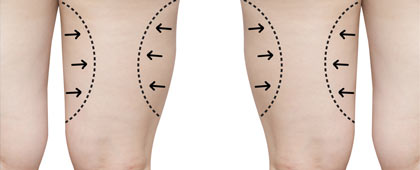
Liposuction / Debulking
Removes abnormal fatty tissue that has built up with long-standing, advanced lymphedema.
For advanced, tissue-dominant disease
Learn More
Other Minimally Invasive Options
Image-guided techniques may form part of an individualised plan where appropriate.
Depends on anatomy & stage
Learn MoreSpecialist-Led Care for a Complex Condition
Lymphedema often requires long-term management and, in selected patients, specialised lymphatic surgery. RIVEA brings together assessment, conservative treatment and advanced surgical options within one care pathway.
Access to advanced microsurgical treatment for patients who may benefit from lymphatic procedures.
Treatment recommendations are based on clinical assessment, disease stage and the individual patient's condition.
Specialised lymphatic imaging can help assess lymphatic anatomy and function when required.
Not every patient needs surgery. Treatment is selected according to the cause, stage and treatment goals.
Ongoing monitoring helps assess swelling, function and response to treatment.
Depending on your condition and treatment, this may include:
The cause, stage, duration and treatment approach will determine the outcome.
Yes. Many patients can be managed with conservative treatments such as compression, complete decongestive therapy, manual lymphatic drainage and physiotherapy. Surgery is considered for selected patients based on their condition.
Lymphedema is generally a chronic condition. Treatment may not eliminate the underlying lymphatic problem, but it can reduce swelling, improve function and help manage progression.
Surgery may be considered when conservative treatment does not provide adequate control or when the patient's lymphatic anatomy and stage make them suitable for a procedure such as LVA or VLNT.
Lymphovenous bypass, or LVA, is a microsurgical procedure that connects functioning lymphatic vessels to small veins to create an alternative pathway for lymphatic drainage.
Treatment duration varies depending on the stage, treatment approach and individual response. Conservative management may require ongoing care, while surgical recovery depends on the procedure performed.
Some patients may need compression during recovery and may continue to use it as part of long-term management. Requirements vary between patients.
Yes. Advanced lymphedema can still be managed and, in selected patients, treated surgically. The appropriate approach depends on tissue changes and the condition of the lymphatic system.
Your specialist will review your symptoms and medical history, examine the affected limb and determine whether further investigations are required. Your findings will then be used to develop an appropriate treatment plan.
Click here to learn more about:
Lymphedema
For any inquiries, post your query here:
Ask Rivea
Contact us today to explore your options.
Call Now
Whether it's a first opinion, second opinion, or follow-up, our specialists are ready to see you.
Book a consultation at RIVEA Vascular Institute, Hyderabad
Our specialists are here to guide you. Book a confidential consultation and get answers to all your questions about prostate health.