Varicose Vein Treatment: How Doctors Choose the Right Procedure
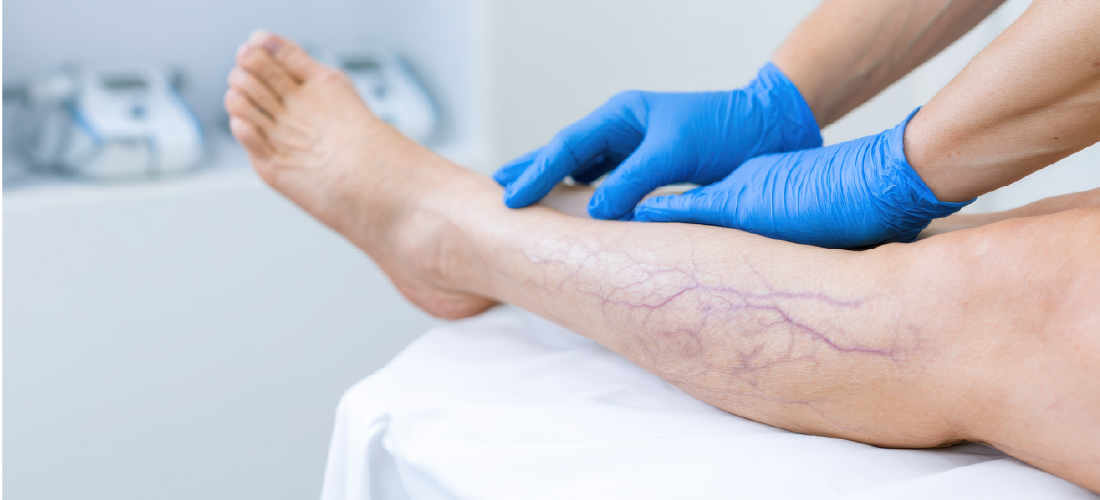
Varicose veins are one of the most common vascular conditions, affecting millions of adults worldwide. While many people first notice them because of their appearance, treatment decisions are rarely based on appearance alone. The visible veins are often only one part of a broader problem involving how blood circulates through the veins of the legs. All that is to say, varicose veins are not an appearance, or a cosmetic issue, rather a vascular one.
Over on the treatment side, the situation has evolved significantly, with traditional vein stripping largely being replaced by minimally invasive procedures that can often be performed under local anaesthesia with little downtime. Ultrasound imaging has made it possible to identify the exact veins responsible for symptoms and tailor treatment to each patient.
If you have been advised to consider treatment or are exploring your options, understanding how specialists evaluate varicose veins can help you make informed decisions.
Varicose veins are an indication of underlying circulation problems. The veins visible on the leg is only the surface-level reflection of weakened vein valves that allow blood to pool in the legs.
Veins in the legs carry blood back to the heart against gravity. To keep blood moving in the right direction, they contain small one-way valves that prevent blood from flowing backwards.
When these valves become weak or damaged, blood begins to leak backwards, a condition known as venous reflux or venous insufficiency. The increased pressure causes veins to enlarge, twist, and become visible beneath the skin.
Not every enlarged vein causes symptoms, and not every patient develops the condition for the same reason. Genetics, age, pregnancy, hormonal changes, obesity, and occupations that involve prolonged standing can all increase the likelihood of developing venous insufficiency.
Because the underlying problem is faulty blood flow rather than the visible vein itself, successful treatment focuses on correcting the reflux rather than simply removing what can be seen on the surface.
When Do Varicose Veins Require Treatment?
Some people experience few symptoms beyond the visible veins while others develop symptoms that interfere with daily activities or progress to more serious complications.
Treatment may be recommended if varicose veins are associated with:
- aching or throbbing pain
- a feeling of heaviness in the legs
- swelling around the ankles or lower legs
- itching or burning over affected veins
- night-time leg cramps
- skin discoloration around the ankles
- recurrent superficial vein inflammation (superficial thrombophlebitis)
- venous ulcers or slow-healing wounds
Not every patient with visible veins requires a procedure. If symptoms persist despite conservative measures or signs of skin damage caused by chronic venous disease appear, then you should be evaluated by a vascular specialist.
Why Is A Duplex Ultrasound Used Before Any Treatment?
A physical examination provides useful information, but it does not reveal how blood is flowing inside the veins. For that reason, duplex ultrasound is considered the gold standard for evaluating varicose veins. It is a non-invasive test that combines ultrasound imaging with Doppler technology to assess blood flow in real time. During the examination, the specialist can identify:
- which veins have valve failure
- where reflux begins
- the direction and duration of abnormal blood flow
- the size and course of affected veins
- whether the deep veins are healthy
- evidence of previous blood clots or other abnormalities
The results create a detailed map of the venous system, essential because treatment is directed at the source of reflux rather than the most visible vein. This is how two patients with similar-looking varicose veins may have very different ultrasound findings and therefore benefit from different procedures.
Conservative treatment is often the first step
Not everyone requires an intervention immediately. For patients with mild symptoms or early disease, conservative management may help reduce discomfort and slow symptom progression.
These measures commonly include graduated compression stockings, lifestyle modifications like regular walking and calf muscle exercises, avoiding prolonged standing or sitting without movement, elevating the legs when resting and maintaining a healthy weight.
Compression stockings deserve special mention because they are often misunderstood. They improve symptoms by applying graduated pressure that supports blood flow towards the heart and reduces swelling. However, they do not repair damaged valves or eliminate varicose veins. Symptoms may return once compression therapy is stopped because the underlying venous insufficiency remains unchanged.
If symptoms persist despite conservative treatment, a minimally invasive procedure may be considered.
How Specialists Choose the Right Procedure
There is no single treatment that is appropriate for every patient.
Instead, specialists consider several factors before recommending a procedure.
Pattern of Venous Reflux
The location of valve failure is one of the most important considerations. Reflux involving the great saphenous vein, small saphenous vein, perforator veins, or smaller tributaries may each require a different approach.
Vein Diameter and Anatomy
Large, relatively straight veins may be suitable for thermal ablation techniques, while smaller or more tortuous veins may respond better to sclerotherapy or phlebectomy.
Symptoms and Disease Severity
Treatment aims to relieve symptoms, prevent complications, and improve quality of life. Patients with skin changes or venous ulcers may require a different treatment strategy from someone seeking treatment primarily for discomfort or appearance.
Medical History
Previous vein procedures, pregnancy, history of deep vein thrombosis, medications, mobility, and other medical conditions can all influence treatment planning.
Understanding Your Minimally Invasive Treatment Options
Most modern treatments are performed as day-care procedures and do not require large surgical incisions.
Endovenous Laser Ablation (EVLA)
EVLA uses laser energy delivered through a thin catheter placed inside the affected vein. Heat generated by the laser seals the vein closed, allowing blood to reroute through healthy veins. The treated vein gradually shrinks and is naturally absorbed by the body over time. Most patients resume walking immediately after the procedure and return to normal activities within a few days.
Radiofrequency Ablation (RFA)
Radiofrequency ablation follows the same principle as EVLA but uses radiofrequency energy instead of laser energy. Clinical studies have shown excellent long-term closure rates with both techniques. Differences between them are generally small, and the choice often depends on vein anatomy and physician preference.
Ultrasound-Guided Foam Sclerotherapy
During foam sclerotherapy, a specialised foam is injected into the affected vein under ultrasound guidance. The foam irritates the vein lining, causing the vein to collapse and eventually be absorbed by the body. This technique is commonly used for smaller varicose veins, recurrent veins after previous treatment, and veins that are less suitable for catheter-based procedures.
VenaSeal™
VenaSeal uses a specially formulated medical adhesive to close the diseased vein. Unlike thermal ablation procedures, it does not rely on heat, reducing the need for multiple injections of local anaesthetic along the length of the vein. Depending on the individual case, some patients may not require compression stockings after treatment.
Ambulatory Phlebectomy
Bulging surface veins can sometimes be removed through tiny skin openings using specialised instruments. Ambulatory phlebectomy is frequently combined with another procedure that treats the underlying source of reflux.
What Should Patients Expect During Recovery?
Recovery following minimally invasive vein treatment is generally much faster than after traditional vein surgery. Patients are able to return to office-based work within one or two days, although recovery varies according to the procedure performed and the extent of treatment.
During the first week, patients may experience some mild bruising and temporary tightness along the treated vein. Tenderness after putting pressure on the treated area and mild pulling sensations as the vein heals are also common.
Walking is usually encouraged because it promotes healthy circulation and reduces the risk of complications. You may also be recommended wearing compression stockings for a period after treatment, depending on the procedure performed.
Heavy lifting, prolonged immobility, and high-impact exercise may need to be avoided temporarily. Follow-up ultrasound examinations are often scheduled to confirm successful vein closure and monitor healing.
Can Varicose Veins Return After Treatment?
A treated vein usually remains closed permanently. Modern minimally invasive procedures have high long-term success rates, but no treatment can eliminate the underlying tendency to develop venous disease. Or, in other words, new veins may become incompetent over time because of ageing, genetics, pregnancy, weight changes, or continued occupational risk factors.
For this reason, specialists often describe varicose veins as a chronic condition that can be managed effectively rather than permanently cured. Maintaining a healthy weight, staying physically active, and attending follow-up appointments may help identify new problems before they become symptomatic.
Why Choose RIVEA for Varicose Veins Treatment?
RIVEA Vascular Institute combines comprehensive vascular evaluation with advanced minimally invasive treatment for varicose veins. Under the care of Dr. Syed Mohammed Ali Ahmed, Chief Vascular Surgeon, patients receive personalised treatment based on ultrasound findings, vein anatomy, and the severity of venous disease.
For patients with varicose veins and chronic venous insufficiency, treatment is supported by:
- Comprehensive evaluation using duplex ultrasound to accurately identify venous reflux and guide treatment planning.
- Expertise in minimally invasive procedures for varicose veins, including endovenous therapies and other evidence-based treatment options.
- A multidisciplinary vascular team equipped to manage both routine varicose veins and more complex venous disease, including chronic venous insufficiency and deep vein thrombosis.
- Personalised treatment plans that consider symptoms, vein anatomy, lifestyle, and long-term outcomes rather than adopting a one-size-fits-all approach.
- Continuity of care from diagnosis and treatment through recovery and follow-up, with a focus on symptom relief, improved mobility, and prevention of disease progression.
At RIVEA, the goal is to restore healthy venous circulation using techniques that minimise discomfort, support faster recovery, and deliver durable clinical outcomes.
Click here to learn more about:
Varicose Veins
For any inquiries, post your query here:
Ask Rivea
Contact us today to explore your options.
Call Now